Calmthy Farm Rural magazine

Posts

Published notes

Field profiles, seasonal guides, and chronicles of quiet rural life. Each piece starts from a visit, a conversation, or a specific task in the vegetable garden. Here they are organized by topic and by season so you can return to them when the calendar calls for it.

Hands with gloves removing soil in a garden bed

What to sow in autumn in a family vegetable garden

Autumn changes the rhythm of the vegetable garden: less heat, more moisture, and soil that calls for a different type of crop. In this note we review which species are worth sowing or transplanting once summer has passed, with attention to sowing depth, spacing between plants, and the moderate watering they need. We also note which maintenance tasks are worth doing ahead of the first frosts, such as covering the soil with mulch and checking the drainage of the garden beds. The idea is to organize the work by weeks so as not to improvise and to make better use of each day in the field.

Read the note
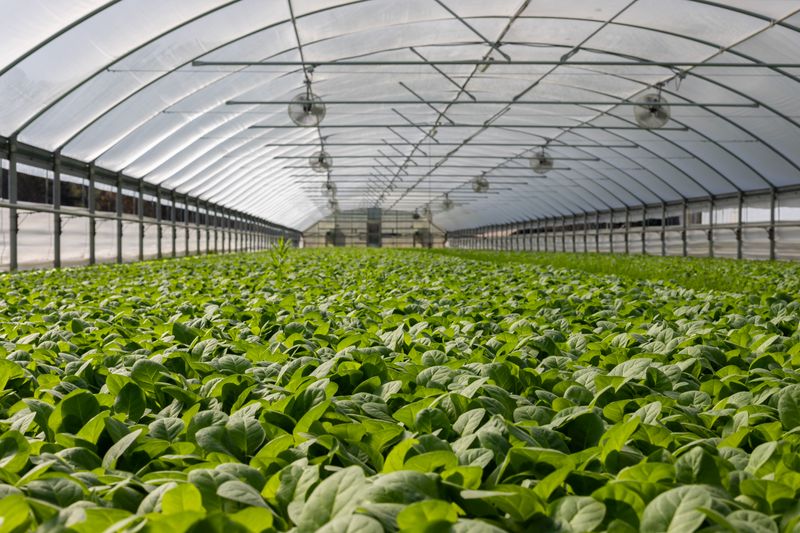
Small wooden and plastic greenhouse in an outdoor vegetable garden

How to build a homemade greenhouse with simple materials

A homemade greenhouse does not need complicated blueprints or a big budget: with pipes, wooden slats, and a polyethylene cover, you can protect a section of the crop during the cold months. In this article we describe how to choose the orientation to make the most of the light, how to anchor the structure to the ground, and why it is a good idea to leave adjustable ventilation openings. We also discuss common mistakes, such as covering without providing shade on sunny days or closing the space completely and encouraging excessive humidity. At the end we propose a simple maintenance plan so the structure lasts for several seasons.

Read the article
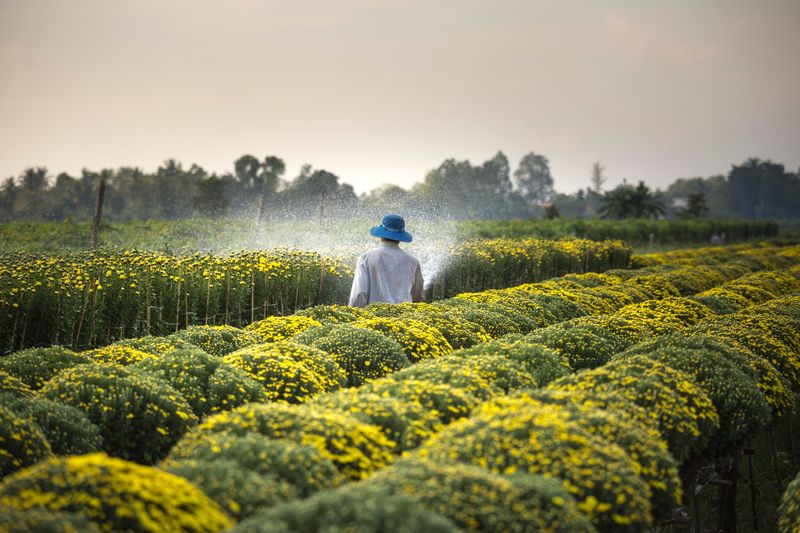
Drip irrigation hose on damp soil between plants

Drip irrigation for small gardens: setup and care

Drip irrigation makes it possible to deliver water in a more orderly way in small gardens, especially when there is not enough time to walk every bed with a hose. We explain the minimum components needed, how to calculate the number of emitters according to the type of plant, and why it is advisable to divide the system into zones. We also cover maintenance: cleaning filters, checking connections, and making adjustments when the season changes. We do not promise automatic results, but we do show how this method reduces water loss and makes the daily routine in the field easier.

Read the article
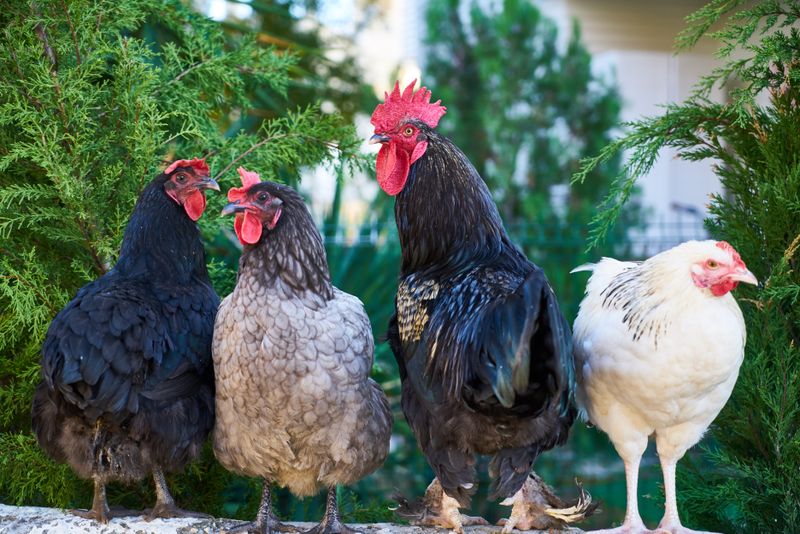
Brown hens walking in a dirt coop with grass

Laying hens: daily routines in the family chicken coop

Keeping laying hens at home involves a simple but steady routine: checking the water, serving the feed, observing the flock's behavior, and keeping the coop clean. In this article we detail how to organize those tasks throughout the day, which signs are worth watching to detect problems in time, and why nighttime rest influences egg laying. We also discuss the space per bird, the materials for the nest, and waste management, which can be integrated into compost. There are no one-size-fits-all formulas: every climate and every plot of land require adjustments, and that too is part of the learning process.

Read the article
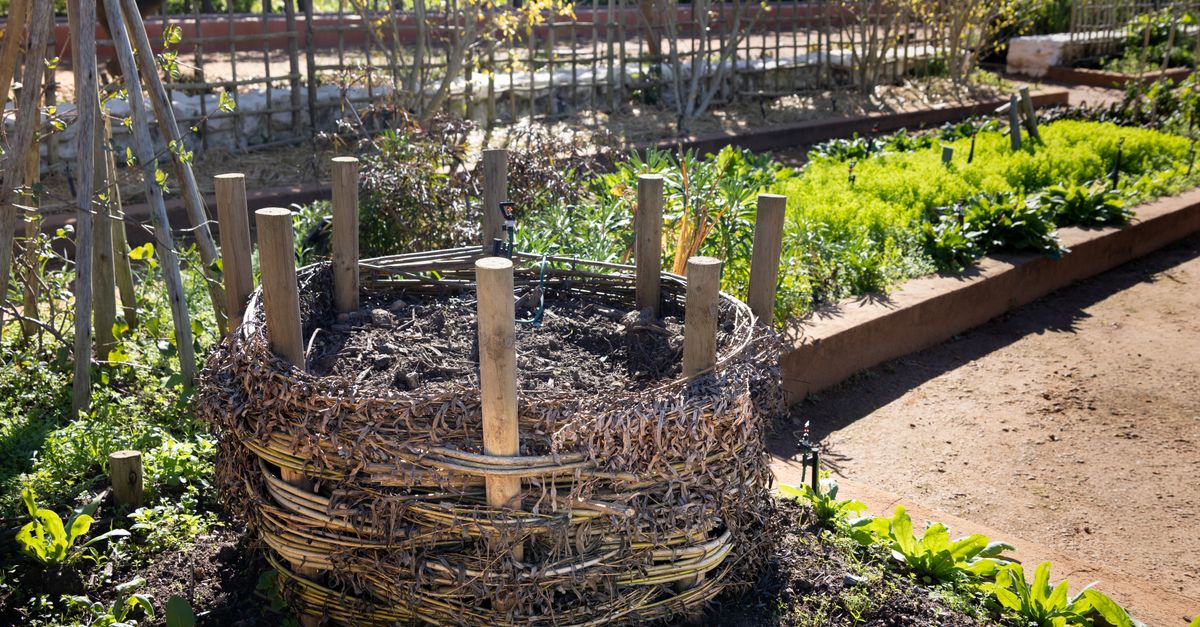
Compost pile with plant scraps and dry leaves in a yard

Home composting: what is and is not worth adding

Home composting works when a reasonable ratio between green scraps and dry materials is respected, and when the pile is aerated with some frequency. In this article we review which kitchen and garden waste can be added without problems and which should be avoided so as not to attract animals or generate bad odors. We also explain how to read the signs of the process: temperature, moisture, and texture. With patience and observation, the compost bin becomes a stable source of fertilizer for the garden beds and a concrete way to close the cycle of organic matter at home.

Read the article
Glass jars with tomatoes and herbs on a wooden table

Seasonal preserves: tomato, squash, and herbs

When the garden produces more than is consumed at the time, preserving allows the surplus to be used without wasting work. We review accessible techniques such as hot packing, drying herbs, and preparing sauces to store in sterilized jars. We also mention basic hygiene precautions, labeling, and storage in a cool, dark place. These are not professional recipes, but procedures that many rural families have used for years and that can be adapted to a home kitchen with common utensils.

Read the note
Person resting on a wooden bench in front of a rural landscape

Well-being in the countryside: routines that sustain the day

Life in the countryside has a rhythm of its own, shaped by light, weather, and seasonal tasks. In this note we gather observations on how to organize the day to sustain the body and attention: start early, alternate heavy tasks with lighter ones, stay hydrated, and set aside moments of real rest. These are not wellness recipes or health promises, but habits that many people in rural settings mention when asked how they sustain their routine. We also talk about the value of pause and conversation as part of everyday work.

Read the note

Notes are published as the team returns from each visit. If you want to follow the thread of the season, at contact you can write to us or request the weekly newsletter schedule with workshops and guided visits to nearby farms.

Every note we publish on Calmthy Farm comes from a specific walk-through: a garden bed checked at dawn, a chicken coop tidied up before noon, a jar of preserves cooling on the counter. We don't sign with inflated biographies or with titles we don't hold. We sign with fieldwork and with the open notebook.

The pieces are grouped by topic and by season. There are profiles of small producers who opened their gate to us, practical guides on autumn sowing, building a homemade greenhouse and drip irrigation, and more relaxed chronicles about composting, seasonal preserves and the daily rhythm in the countryside. When a note depends on direct observation, we say so. When we revisit a practice that many rural families already use, we make that clear too. That's how this newspaper archive works: a living archive organized by the calendar, not by urgency.

Write to the editorial team

If you want to add a letter for the readers' section, announce a rural fair, or suggest a topic for the seasonal guides, this is the starting point. Tell us what you want to share and what it relates to: family vegetable garden, laying hens, composting, preserves, or farm routines.

Frequently asked questions before reading or writing to us

The questions that come up most often in the newsroom have to do with how we work, what can be expected from an article, and what kind of materials we receive. Here are the answers, straightforward and without promises we cannot keep.

How often do you publish new articles?

Publication moves with the seasons and with actual visits to producers. There is no fixed frequency for articles: a fall planting guide can take weeks of observation, while a fair report is written in a few days. What does stay consistent is the weekly newsletter, which gathers the schedule of workshops, guided visits to nearby farms, and links to the latest published pieces.

What kind of topics are included in the magazine?

Family gardens, laying hens, home composting, seasonal preserves, and wellness routines in the countryside. Also profiles of small producers visited by the team and practical guides by season: what to plant in fall, how to build a homemade greenhouse, drip irrigation for small gardens, and garden cooking. Topics unrelated to quiet rural life are left out.

How is a visit to a producer prepared?

First there is prior contact to agree on the day and the type of task that will be observed. Then the team coordinates the trip and defines what they want to record: the work in the raised beds, the routine of the chicken coop, the management of the compost bin, or the preparation of preserves. The article is written based on what actually happened during the day, not with archival material or with data that could not be verified on site.

What can be sent to the readers' letters section?

Questions, observations about a published article, corrections, and brief accounts of personal experiences in the garden or in the countryside. Recipes with commercial brands, sales requests, or content unrelated to the magazine's focus are not published. The editorial team reads all letters and selects some to respond to or to revisit the topic in a later article.

Are the seasonal guides suitable for any climate?

The guides are written with the region and specific field observations in mind, so they serve as a reference rather than a fixed recipe. Every plot of land has its own soil, moisture, and sun exposure, and that makes it necessary to adjust planting schedules, watering frequency, and greenhouse care. The idea is for each reader to adapt what they read to their own yard or plot.

How is the schedule of fairs and workshops organized?

The calendar is put together with the information sent by rural organizations in the area and is updated as dates are confirmed. No spots are reserved and no registrations are managed by the magazine: each fair or workshop has its own contact channel. What we do is gather the schedule in one place so it is easier to find out what is happening each month.

If your question does not appear in this list, you can write to us and the editorial team will add it to the upcoming answers. You can also review the editorial policy to understand how data and collaborations are handled.

How we read and publish each note

In this newspaper archive, field profiles, seasonal guides, and garden chronicles coexist. Before adding a piece to the archive, we make a few clarifications that prevent hasty readings: not everything we tell is a recommendation, not everything we show came from a single visit, and not everything we describe works the same in any terrain. We prefer to say this upfront.

Cookie settings

We use cookies to keep the site stable, remember basic options, and understand which pages are useful. You can accept, reject, or review the settings before continuing.