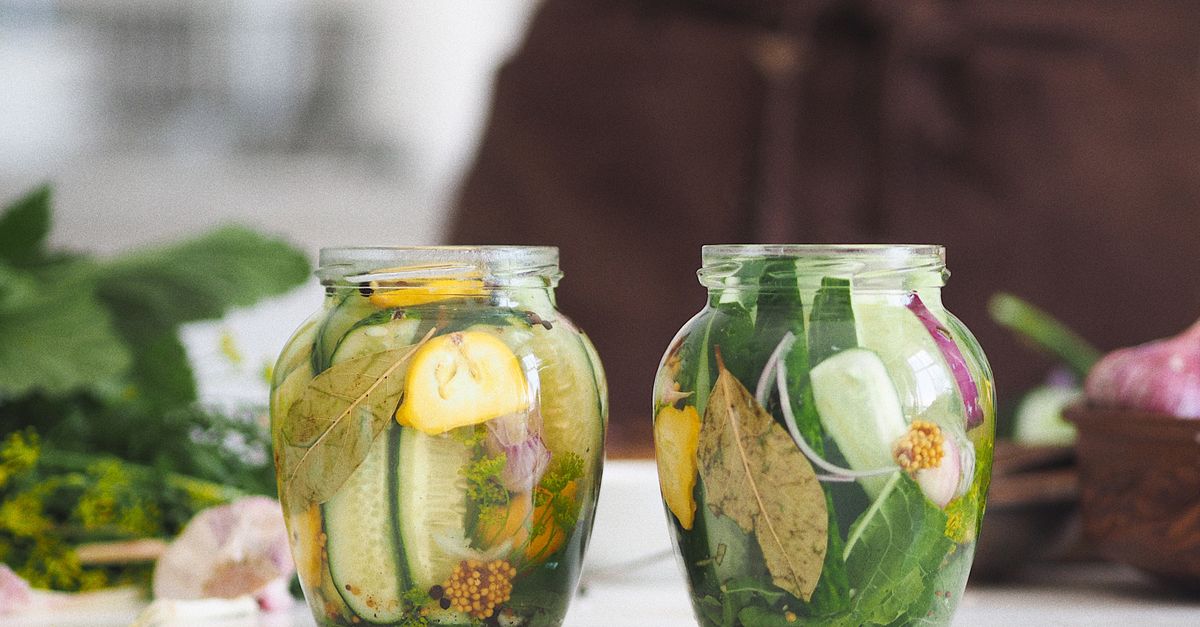
Jars ready to store
The containers are sterilized with boiling water before being filled. Once sealed, they go to a cool, dark place, away from the light that speeds up spoilage. Labeling with the date helps to know what to open first.
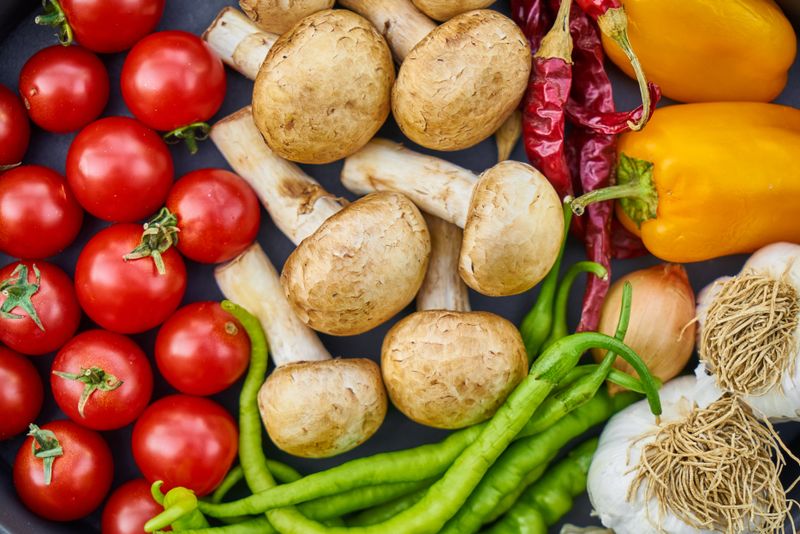
Simple techniques to store the harvest
When the garden produces more than is consumed at the moment, preserving allows you to make use of the surplus without wasting work. We review accessible techniques such as hot packing, drying herbs and preparing sauces to store in sterilized jars. We also mention basic hygiene, labeling and storage care in a cool, dark place. These are not professional recipes, but procedures that many rural families have used for years and that can be adapted to a domestic kitchen with common utensils.
There is a scene that repeats every summer on small farms: the counter covered with tomatoes that ripened all at once, the squash that no longer fits in the pantry and the bunches of basil or rosemary that begin to dry in the sun. Then the usual question appears: what to do before it spoils. The oldest and simplest answer is still home preserving, a craft that requires no professional equipment or great knowledge, just order, cleanliness and some patience.
Hot packing is the starting point for almost everything. It involves filling already sterilized glass jars with the preparation while it is still steaming, sealing the lid tightly, and letting the heat itself finish the sealing. With tomato sauce it works well: it is simmered over low heat until it thickens, seasoned with salt and a few basil leaves, and packed without letting it cool. Pumpkin, on the other hand, requires a different path: it is steamed, pureed, and only then stored, because its dense texture needs a more even precooking.
Herbs have their own rhythm. Shade drying, hung in bunches or spread out on a clean cloth, preserves the aroma better than direct heat. When they are brittle, they are crumbled and stored in small jars, away from light. Labeling is not a minor detail: writing the date and contents on each lid prevents confusion months later, when no one remembers which jar holds what.
Hygiene supports the entire process. Well-washed jars and lids, clean hands, dry utensils, and a cool, dark place for storage. There are no absolute guarantees in a home kitchen, but there are procedures that many families have repeated for generations and that adapt without any problem to the utensils we already have at home.

Simple techniques to store the harvest
When the garden bed gives more than the kitchen can use, the surplus can be stored. These are the images of a homemade process: washed jars, peeled tomatoes, cooked squash and bunches of herbs that dry in the air before going into the jar. There is no laboratory or chef's recipe, just hands repeating what their grandmothers already did every summer.
The containers are sterilized with boiling water before being filled. Once sealed, they go to a cool, dark place, away from the light that speeds up spoilage. Labeling with the date helps to know what to open first.

The tomato is dipped in hot water for a few seconds, peeled and packed while still hot. That heat helps the jar seal well. It is the most repeated method to avoid losing the end-of-season harvest.
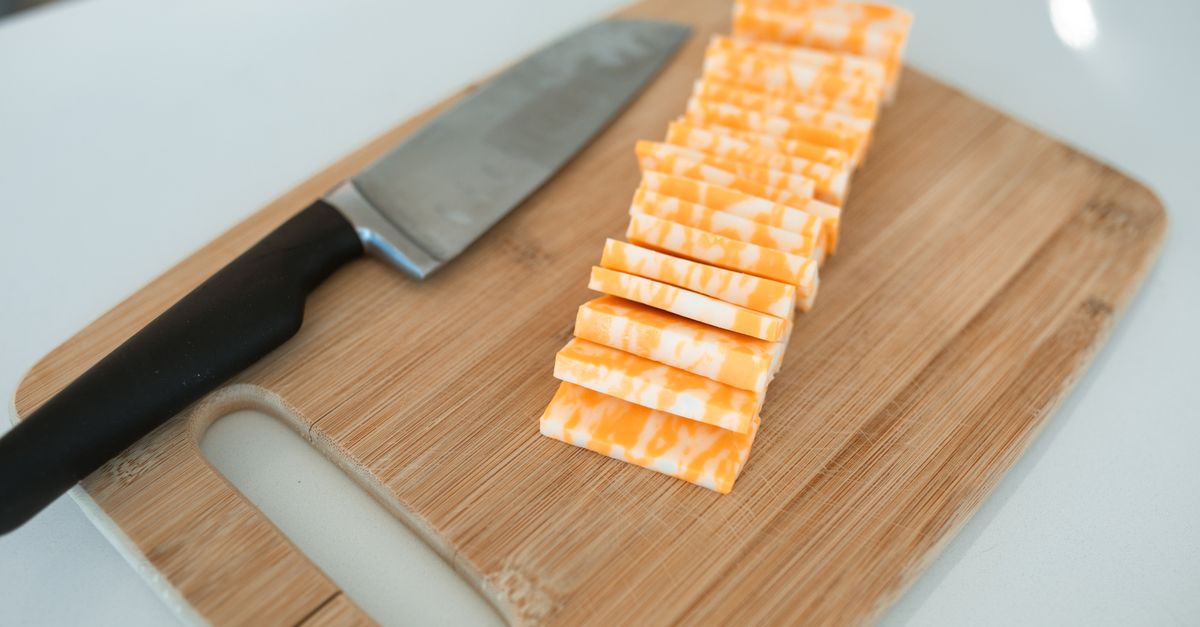
The squash is cooked, mashed, and divided into portions. Frozen or in a jar, it can later be used for soups and stews without having to peel a whole one in the middle of winter. Well-drained pulp keeps better.
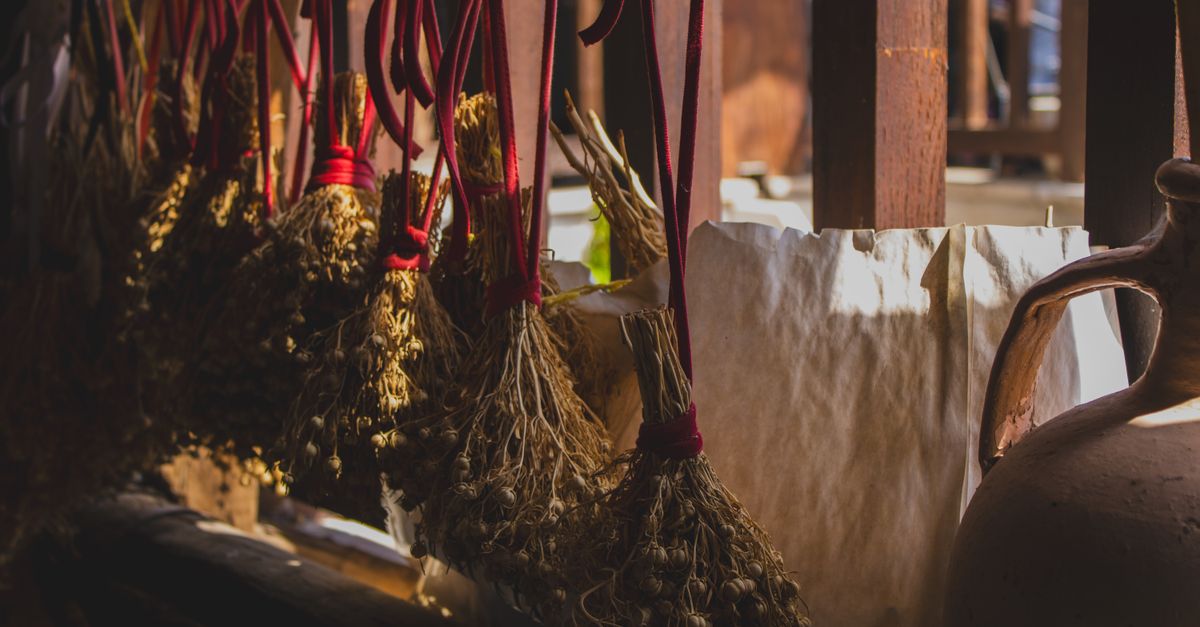
Rosemary, oregano, and thyme are tied into bundles and hung in a ventilated spot, away from direct sunlight. When the leaves crumble between your fingers, they are ready to be stored in small, labeled jars.
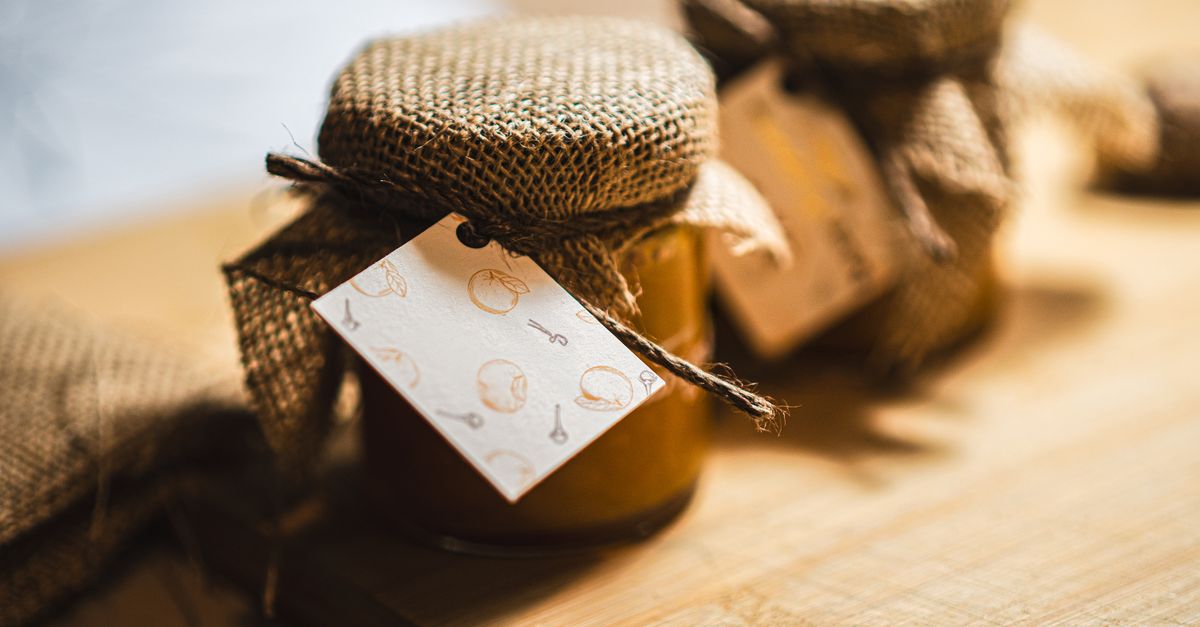
Clean hands, dry utensils, and jars without cracks. Each label notes what it contains and when it was stored. These are small details that prevent opening a questionable jar months later and having to throw it away.
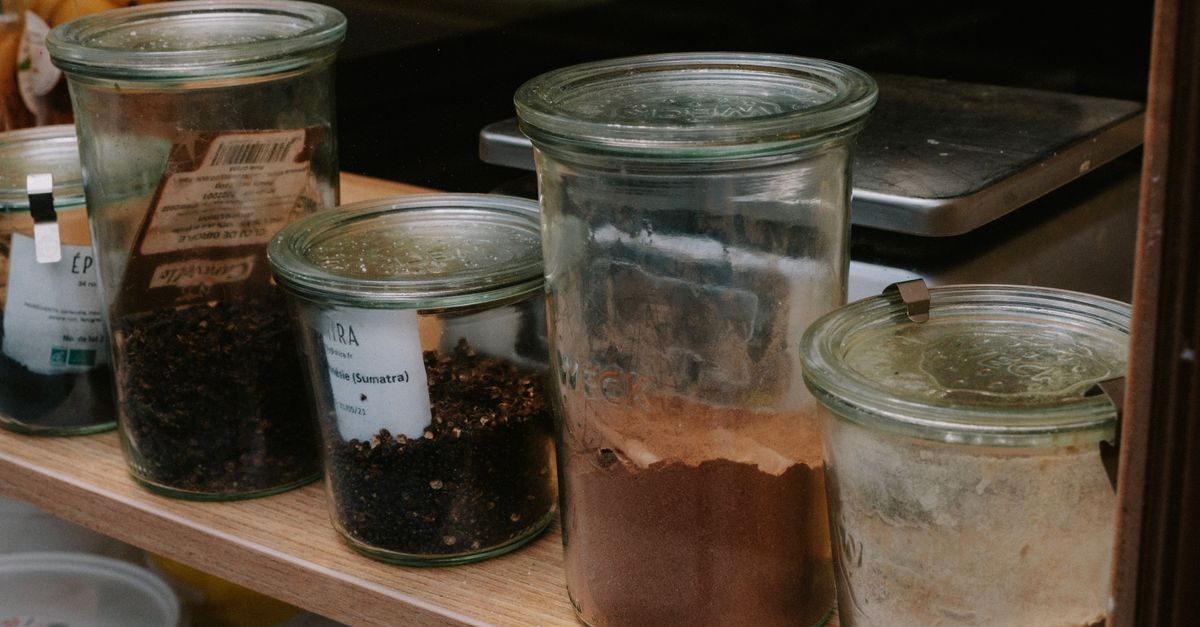
A cool, shaded shelf is a preserve's best ally. The jars are arranged by date, with the oldest ones in front. That way the pantry becomes a calendar of what the garden gave that year.
There are no subscription forms in this article and no promised response times. If you want to comment on tomato, squash, and herb preserves, or add your own experience with jars and drying, the channels below are the ones we use.
For letters to the editor, corrections, or questions about hot packing and jar labeling. Tell us what technique you use in your kitchen and what you found most practical.
info@calmthyfarm.comIf you prefer to talk before writing, this is the publication's contact number. It is not an emergency line or a technical support service for preserves.
+54 11 5792-5276Av. Corrientes 1234, Floor 8, Office 802, Edificio Corrientes Plaza, Autonomous City of Buenos Aires, Argentina. It is a correspondence address, not a drop-off point for jars or a location for visits.
If your question is about the preservation process itself, it may already be answered in the article's frequently asked questions: sterilizing jars, herb drying times, and how to check that a seal is good. If it is not there, write to us and we will add it.