
Before continuing with the sowing calendar, it is worth setting out what this note covers and what it leaves out. These are simple clarifications, but they prevent confusion when someone reads it as if it were a closed manual or a recipe that applies the same way on any plot of land.
-
It is a seasonal guide, not a rigid calendar
The weeks we mention are a reference for organizing the work, not fixed dates. Soil temperature, accumulated moisture, and early frosts change from one year to the next and from one plot to another. If autumn arrives warmer or rainier, it is better to shift the sowings and adjust irrigation instead of following the plan to the letter.
-
The species we name perform well, but they do not always perform the same
We are talking about vegetables that tend to respond well with less heat, but we do not promise harvests or volumes. The result depends on the soil, the drainage of the bed, the seed, and daily care. When a species does not thrive on a plot of land, the reasonable thing is to note why and try another variety the following season.
-
The tasks before frosts are preventive
Covering the soil with mulch and checking the drainage of the beds helps you get through the cold months in better shape, but it does not eliminate the risk of a hard frost or replace watching the weather. These are common-sense measures that many rural families apply, not insurance against losses.
-
The images accompany the topic, they do not document a specific case
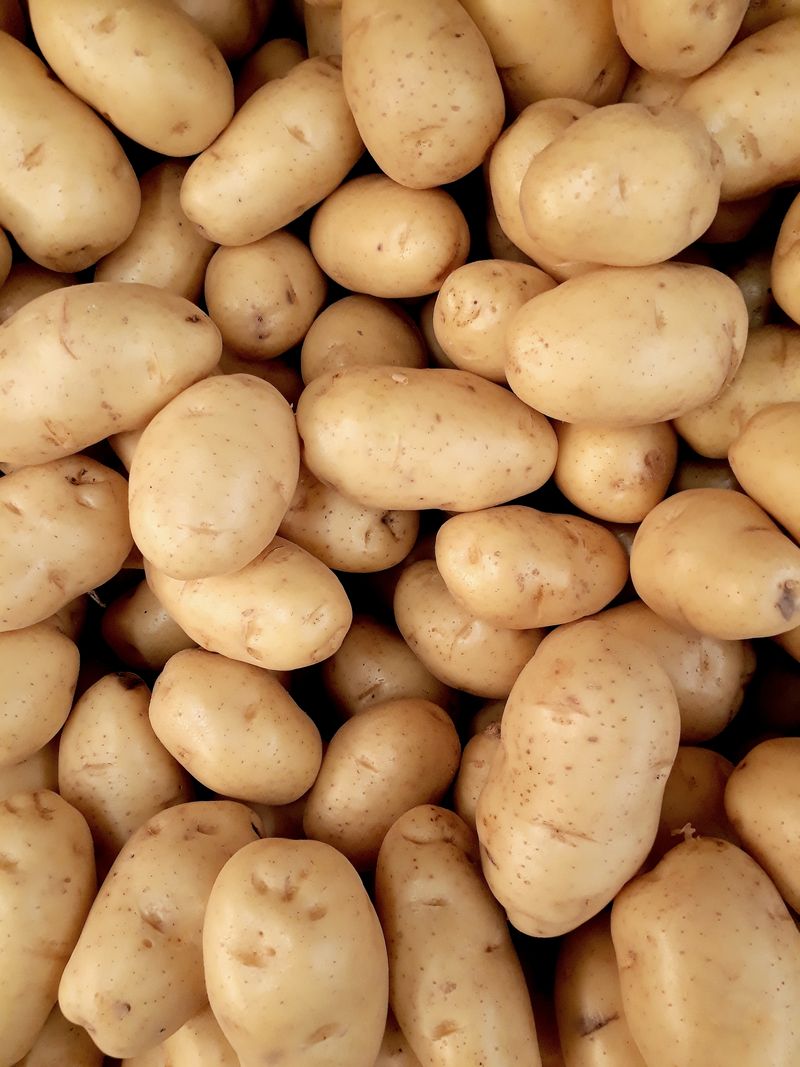
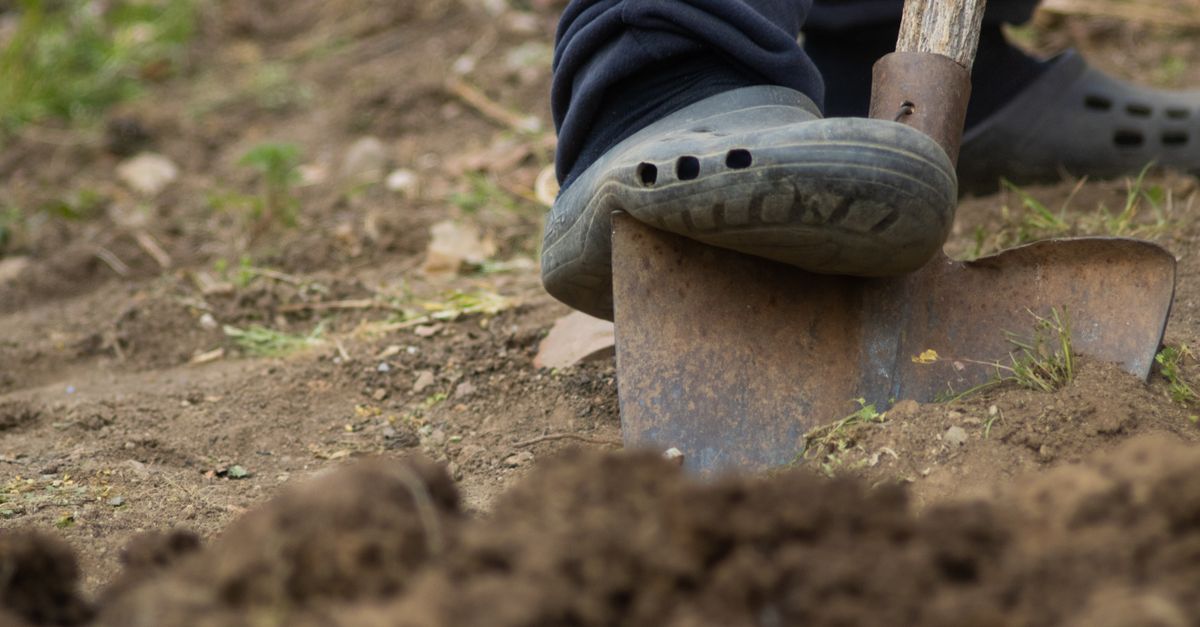
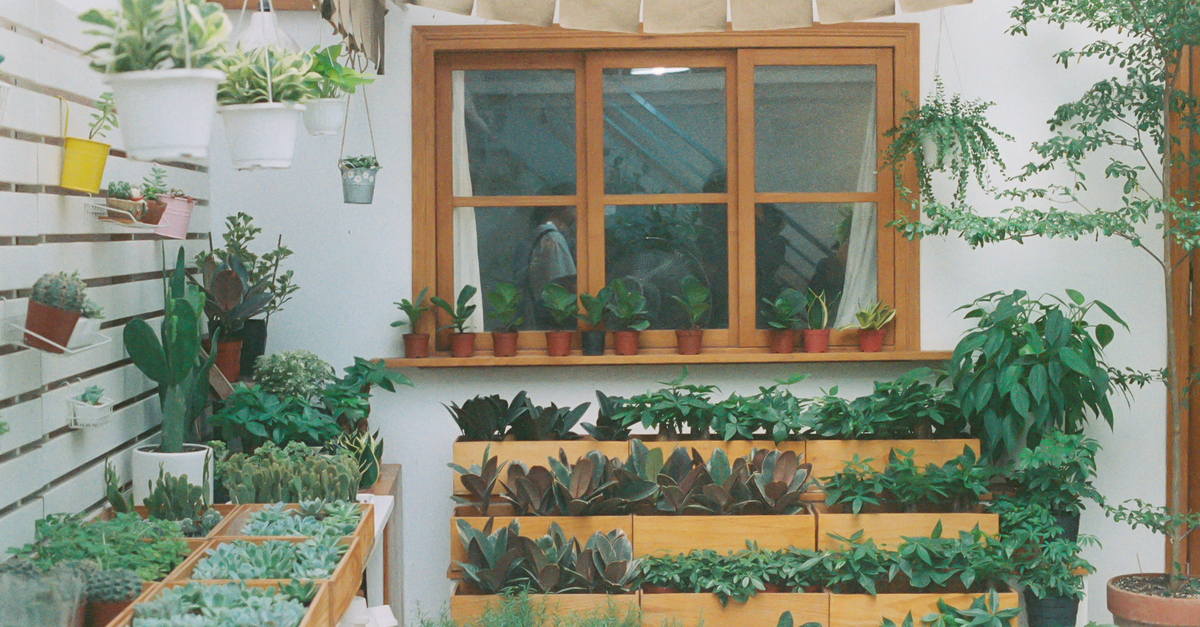
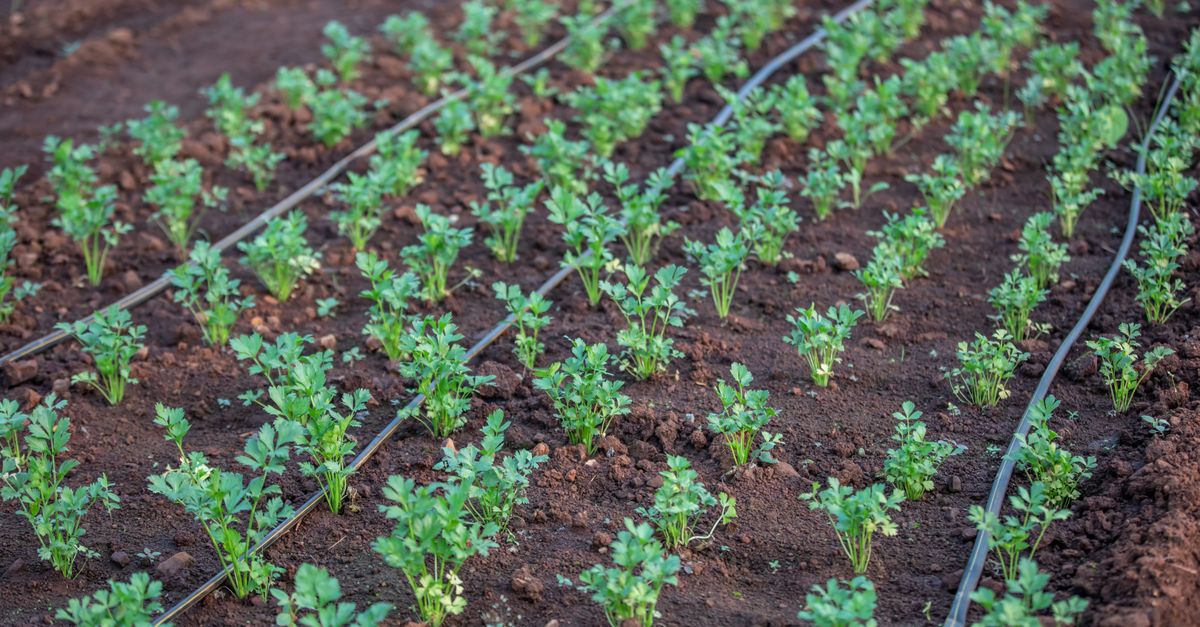
The photos illustrating this article show garden work and hands working the soil. They do not correspond to a specific small farm or a particular family: they are reference images to give visual context to the text.
-
There is no professional advice or guaranteed results
What follows is a collection of family gardening practices told in a friendly tone. It does not replace consulting a technician, an agronomist, or someone with experience in the area. Each person decides what to apply based on their land, their climate, and their available time.
-
The contact details are only for writing to us
If you want to comment on the article, suggest a topic, or request the workshop schedule, you can write to info@calmthyfarm.com or call +54 11 5792-5276. The mailing address is Av. Corrientes 1234, 8th Floor, Office 802, Corrientes Plaza Building, Autonomous City of Buenos Aires, Argentina, and it is used solely for correspondence.