Can any pipe or board you have stored work?
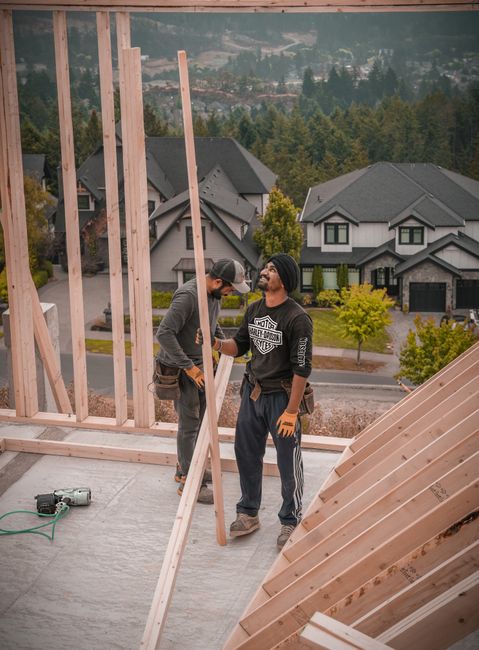
Not always. Pipes and boards already in the shed may have cracks, rust, or accumulated moisture, and that only shows once the structure starts working under wind. Before cutting, it's best to lay them on the ground and check that they don't bend under weight. Wooden boards that have been exposed to the weather usually need a touch-up or outright replacement. Cheap ends up costing more when the frame gives way mid-season and everything has to be taken apart to fix it.
How much ventilation does it really need?
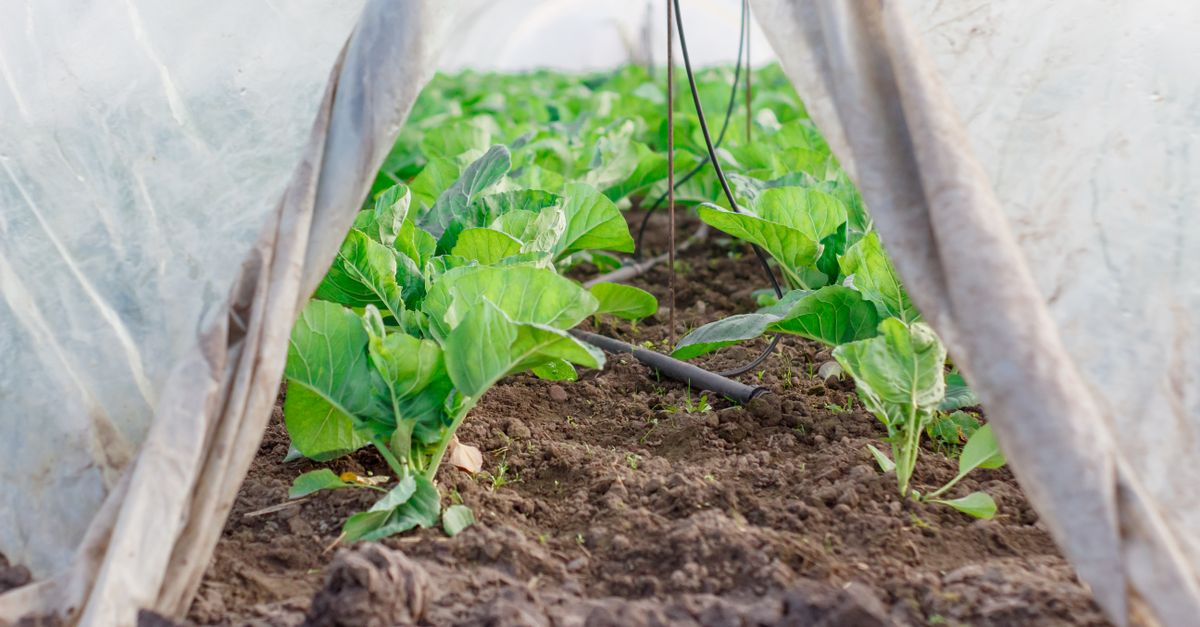
More than one thinks at first. A fully closed greenhouse retains heat, but also humidity, and that combination favors fungi on the leaves and on the neck of the plants. The reasonable thing is to leave adjustable openings: one at the bottom and another at the top, so that the air circulates diagonally. On sunny days you have to open even if the outside temperature seems low, because the inside rises quickly. The key is not to ventilate a lot all the time, but to be able to regulate it according to the day.
Why does everything fog up inside?
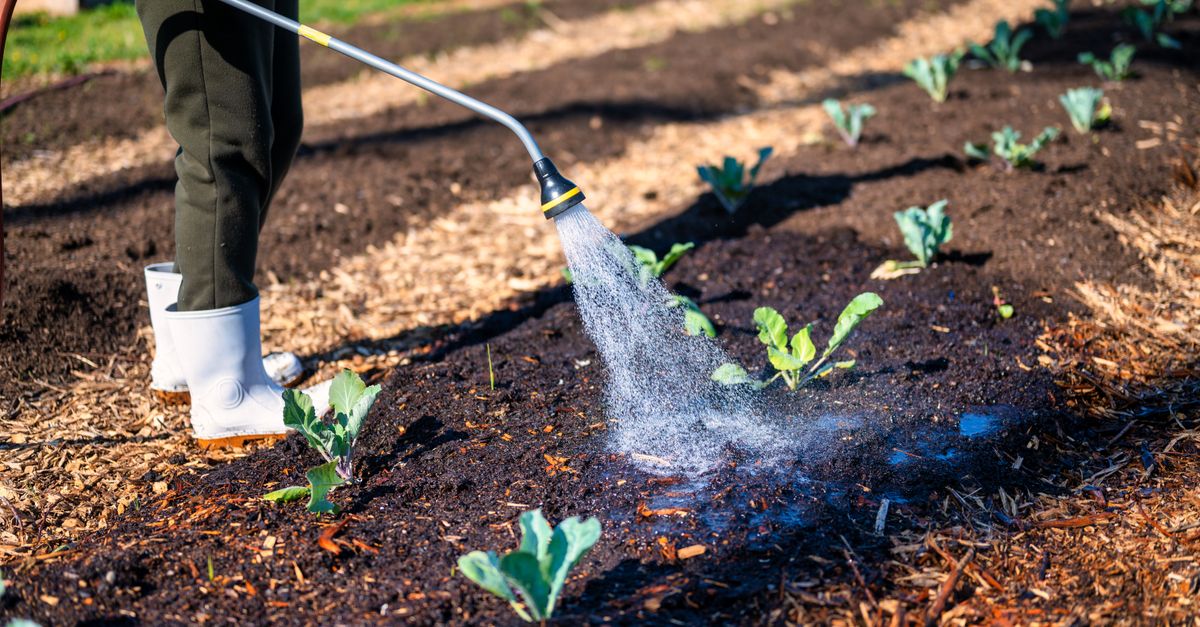
Condensation appears when the warm, humid air inside touches the cold cover. It is a warning, not a serious failure. If the fogging stays all day, there is a lack of circulation; if it goes away with the morning, the system is working. It is advisable to observe it after watering and first thing in the morning. When water begins to drip on the plants, ventilation must be corrected or watering reduced, because sustained excess humidity is what ends up rotting roots and tender stems.
How often should the cover be checked?
Polyethylene degrades with sun and wind, and the first symptoms are small tears near the edges and attachment points. A brief check after every storm prevents surprises. It is also worth checking the tensioners and tie-downs: when the cover flaps, it wears faster at the corners. There is no fixed schedule, but there is a simple rule: if a tear appears, repair it immediately. Letting it grow is what forces you to replace the entire cover ahead of time.
Can the structure be moved to another location?
It depends on how it was fixed to the ground. If it was anchored with stakes or buried posts, moving it means disassembling and reassembling it. If it was set on a treated wood base, it is easier to relocate, although it is best to do so between seasons and with help. Before thinking about moving it, it is worth assessing whether the problem is the location or the orientation: sometimes it is enough to adjust the ventilation or add some shade on the most exposed side so that the same spot works better.