Calmthy Farm Rural magazine
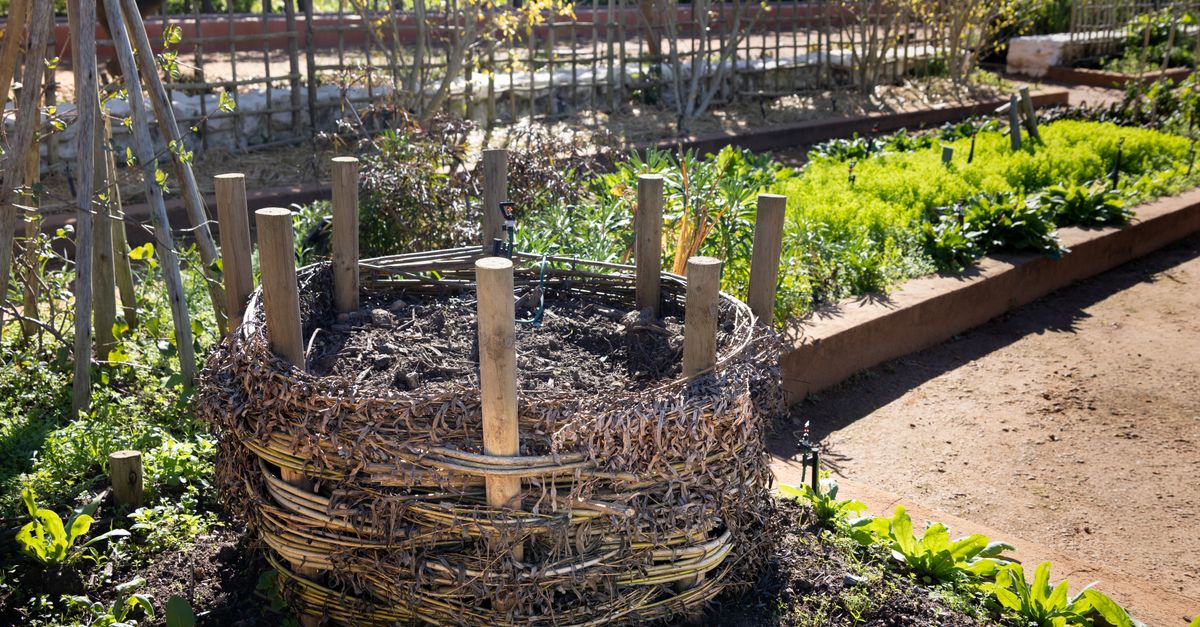
Compost pile with plant scraps and dry leaves in a yard

Home composting: what to add and what to avoid

Balance between green and dry materials

Home composting works when a reasonable ratio between green scraps and dry materials is maintained, and when the pile is turned fairly often. In this article we review which kitchen and garden waste can be added without problems and which is best avoided so as not to attract animals or cause bad odors. We also explain how to read the process signals: temperature, moisture, and texture. With patience and observation, the compost bin becomes a steady source of fertilizer for the garden beds and a concrete way to close the organic matter cycle at home.

The ratio that usually works in a backyard compost bin is roughly one part green material to every two or three parts dry material. Greens provide nitrogen and moisture: fruit peels, vegetable scraps, coffee grounds, tea bags without the string, freshly cut grass. Browns provide carbon and air: fallen leaves, cardboard without glossy ink, paper towel rolls, small shredded branches, untreated sawdust. If the mix leans too far toward greens, the pile becomes compacted, gives off a sour smell, and attracts flies. If it leans too far toward browns, the process slows down and you barely feel any heat when you put your hand in.

What should be left out is shorter than people think. Meat scraps, bones, fish, dairy, and fats do not go in: they break down poorly and attract dogs, cats, and rodents. Nor do pet waste, diapers, cigarette butts, or diseased plants or plants with mature seeds, because they often survive the process. Citrus in large amounts, onion and garlic peels in excess, or bread can be added in small proportions, but not as the base of the pile.

To read the process there are three simple signs. Temperature: an active pile feels warm in the center when you insert a stick. Moisture: it should be like a wrung-out sponge, neither dripping nor dry. Texture: if when you turn it material still recognizable appears, the pile needs more time and one more turn. Aerating every week or every ten days, especially in summer, prevents the center from compacting and odors from appearing. In winter the pace slows down and there is no need to force it.

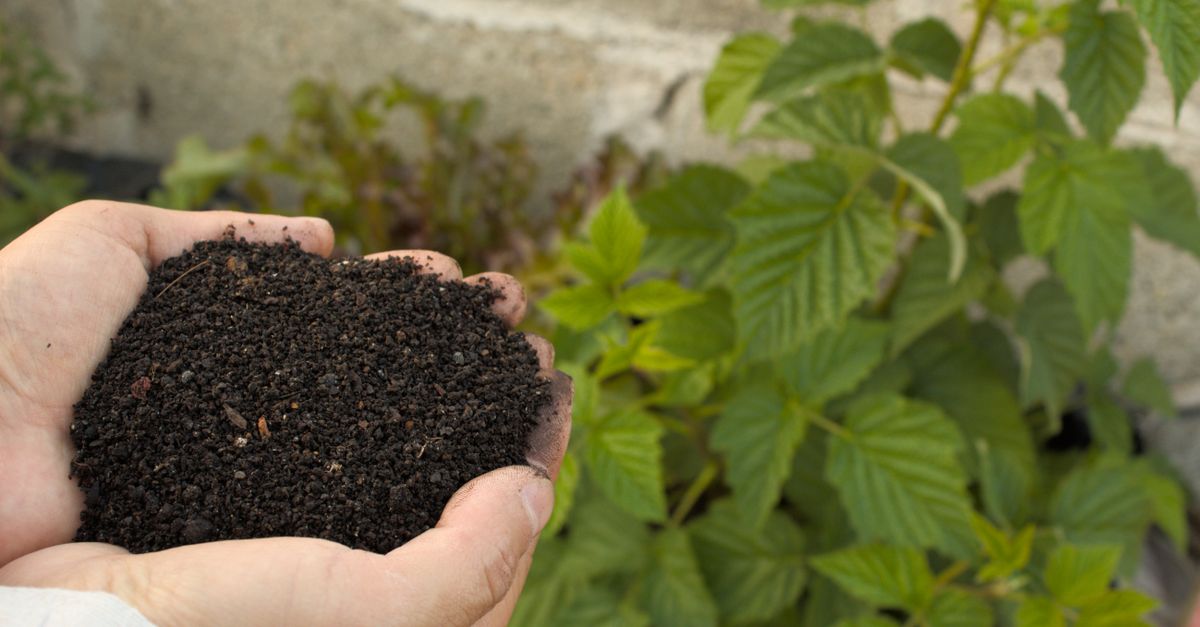
When the compost is ready it looks dark, smells like forest soil, and what was added can no longer be distinguished. It is used as an amendment in the beds, mixed with the soil or as a fine mulch. It is not a concentrated fertilizer nor does it replace other soil tasks, but it closes the cycle of organic matter at home and returns to the garden part of what came out of it.
Home composting: what to add and what not to add

A backyard compost bin doesn't fail for lack of technology: it fails when you fill it without paying attention. The ratio of green scraps to dry material, aeration, and moisture are the three things you need to manage. In this article we've gathered what you can safely add and what's best left out so you don't attract animals or create odors.

Compost pile with plant scraps and dry leaves in a backyard
Hands with gloves turning soil in a vegetable garden bed

Green kitchen scraps

Fruit and vegetable peels, coffee grounds, tea bags without the string, and wilted leaf scraps go in without a problem. It's best to cut them into small pieces so they break down evenly and don't clump together in one spot in the pile.

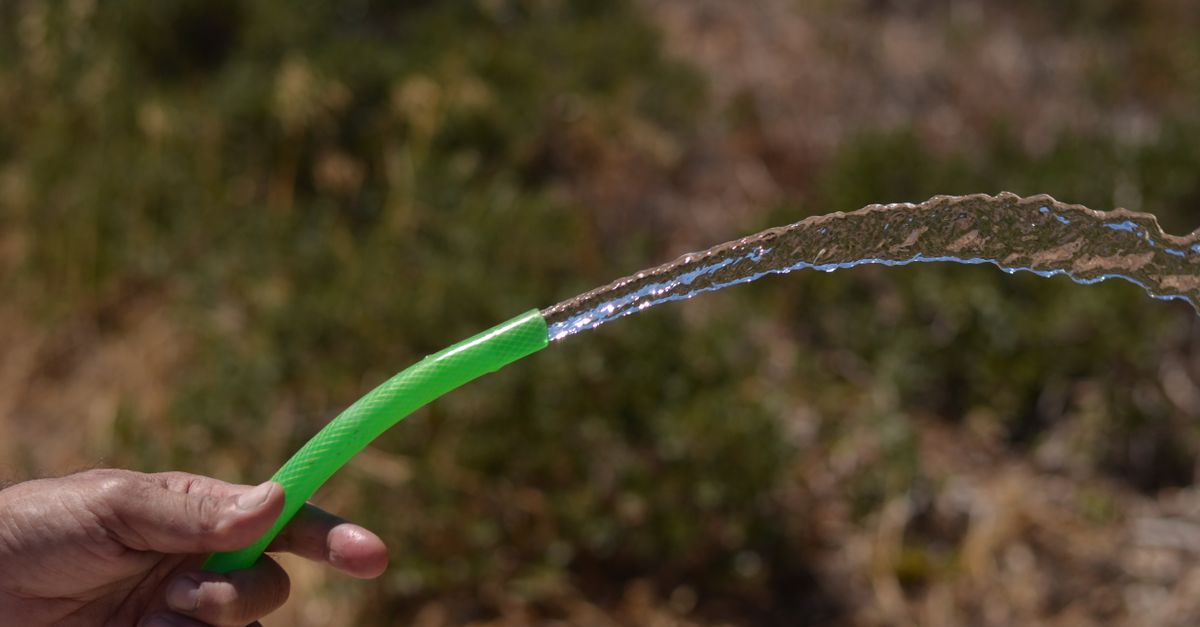
Drip irrigation hose on damp soil between plants

Dry garden material

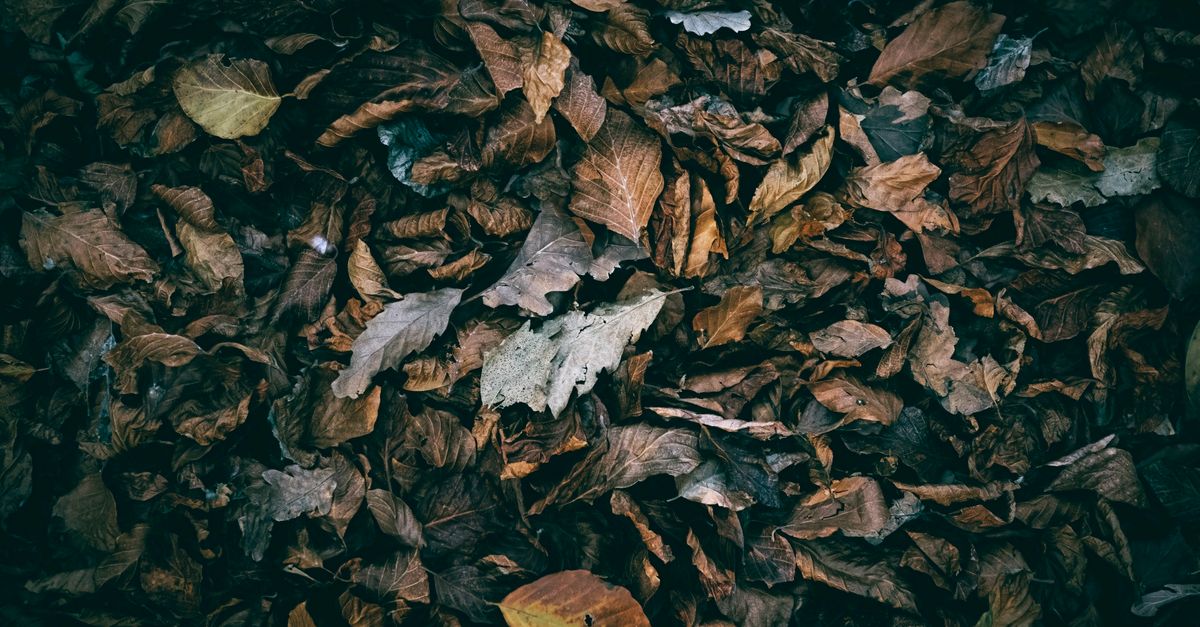
Dry leaves, already-yellow grass clippings, shredded branches, and unprinted cardboard are the counterweight to the greens. If the pile stays too wet and compact, that's a sign this part is missing. Aerating with a fork every so often helps keep the process from stalling.

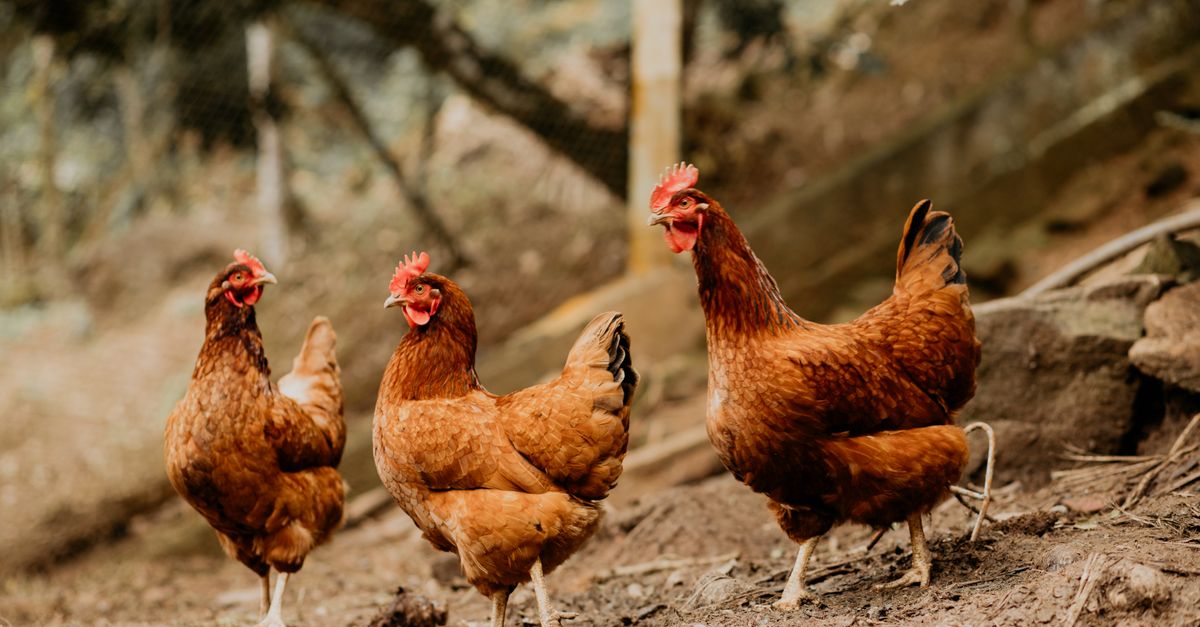
Brown chickens walking in a dirt coop with grass

What's best to avoid

Meat, fish, dairy scraps, bones, and oils do not belong: they attract rodents and create a strong odor. Nor should you add pet waste or diseased plants, because they can transfer pathogens to the compost you later use in the garden beds.

Glass jars with tomatoes and herbs on a wooden table

Read the signs of the process

If the pile is warm inside and smells like damp earth, it is doing well. If it gives off a sour or ammonia smell, there is too much moisture and not enough air. If it is cold and dry, you need to water it a little and add more greens. The final texture should resemble loose leaf mold.

Person resting on a wooden bench facing a rural landscape

Patience before haste

Compost matures at its own pace, depending on the climate and the size of the pieces. There are no shortcuts that work: turning, observing, and adjusting is what keeps the process going. When it is ready, it is worked into the soil of the garden beds and closes the cycle of organic matter at home.

Home composting: what should and should not be added

Before adding the first bucket of scraps to the compost bin, it is worth clarifying a few things. Not everything that comes out of the kitchen or everything pruned in the garden ends up being good material, and the difference between healthy compost and compost that attracts flies or gives off a sour smell usually lies in those details.

Home composting: what is and is not worth adding

If you want to comment on this article about home composting, add an observation from your own compost bin, or correct something that does not sit right with you, you can write to us by email. We read readers' letters and some are published in the community section, with your name if you authorize us to use it. The message does not need to be long: it is enough to tell us what materials you use, how you aerate the pile, and what results you have been seeing in your yard.

For agenda items, workshops, or guided visits to nearby farms, the same email works. If you prefer to call, we answer the phone.

Cookie settings

We use cookies to keep the site stable, remember basic options, and understand which pages are useful. You can accept, reject, or review the settings before continuing.