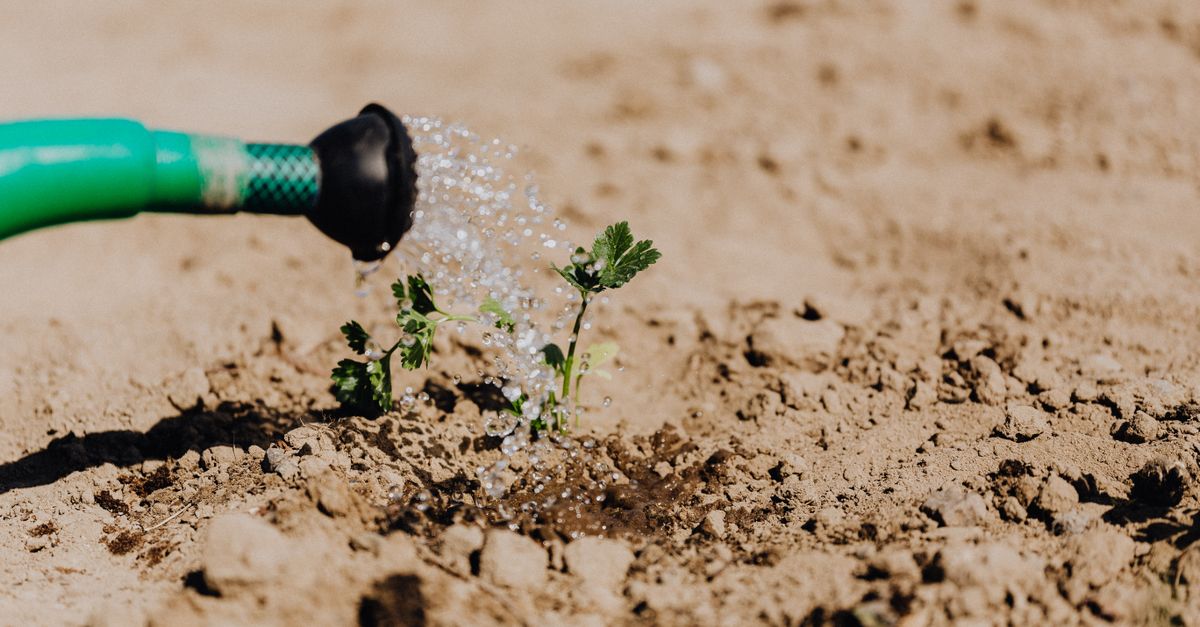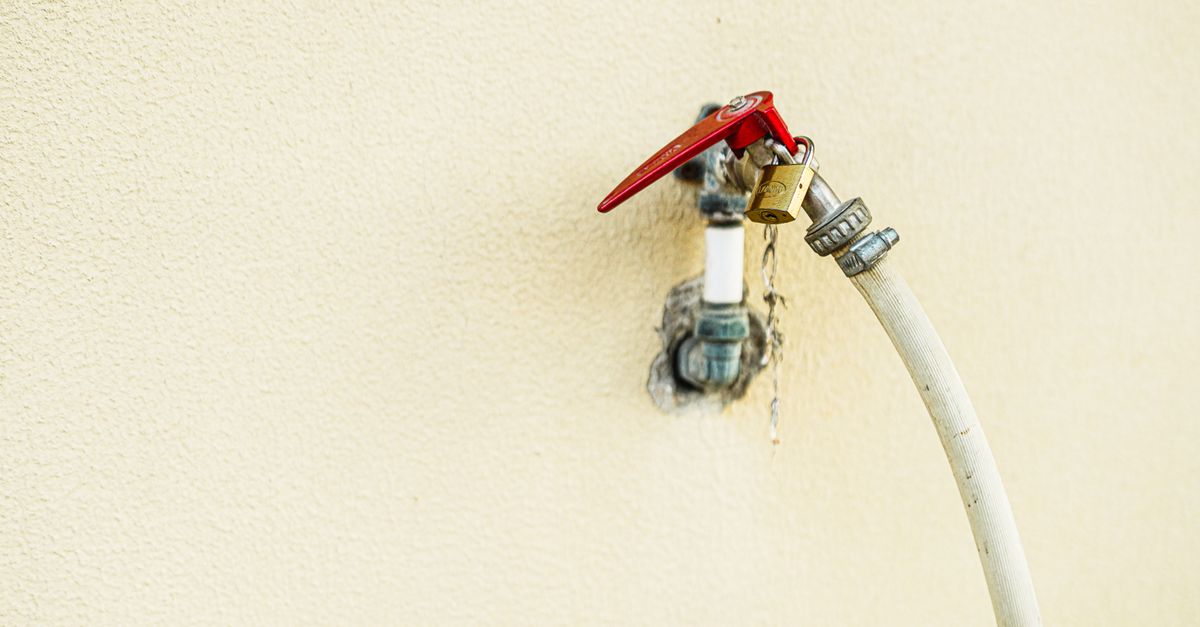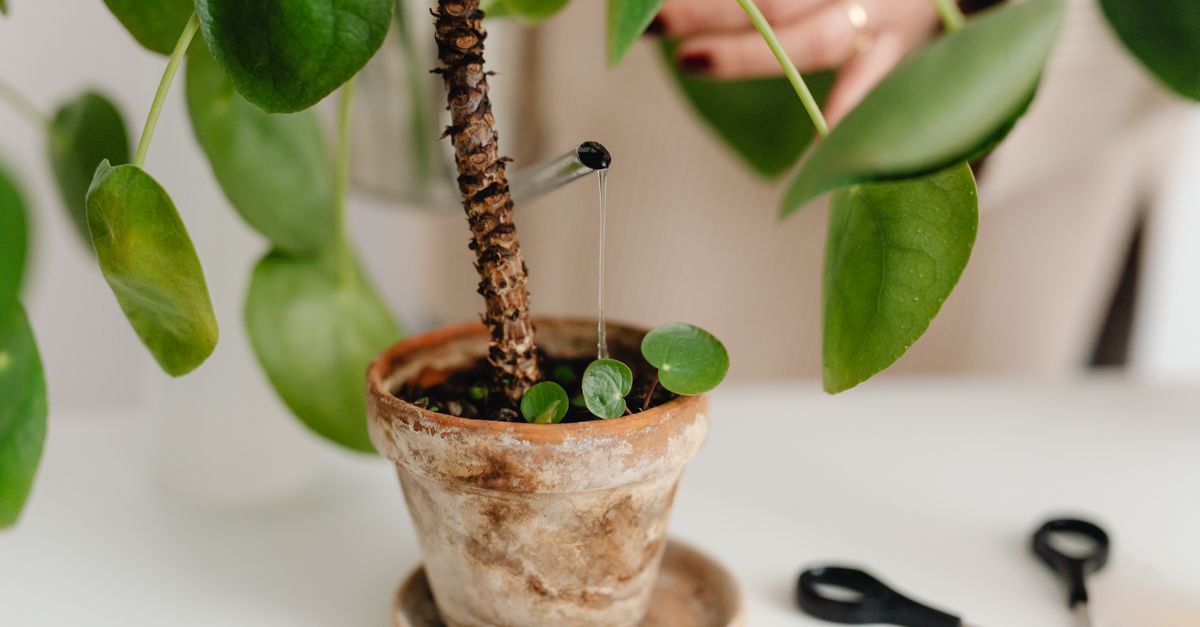
Before buying anything, it is worth measuring the actual water path: from the tap or tank to the farthest bed. In a small garden this distance is usually short, but the height of the tank and the available pressure change the setup quite a bit. If the tank is elevated, gravity is enough to feed a drip line without a pump; if it is at ground level, you need to plan one zone at a time so you do not run out of pressure halfway.
The minimum components are few: a starting connection, a filter, the main hose, and the drip tapes or hoses that run over each bed. The filter is not a minor detail, especially if the water comes from a well or a cistern with sediment. Without it, the emitters clog within a few weeks and the system loses exactly what it promised: even distribution.
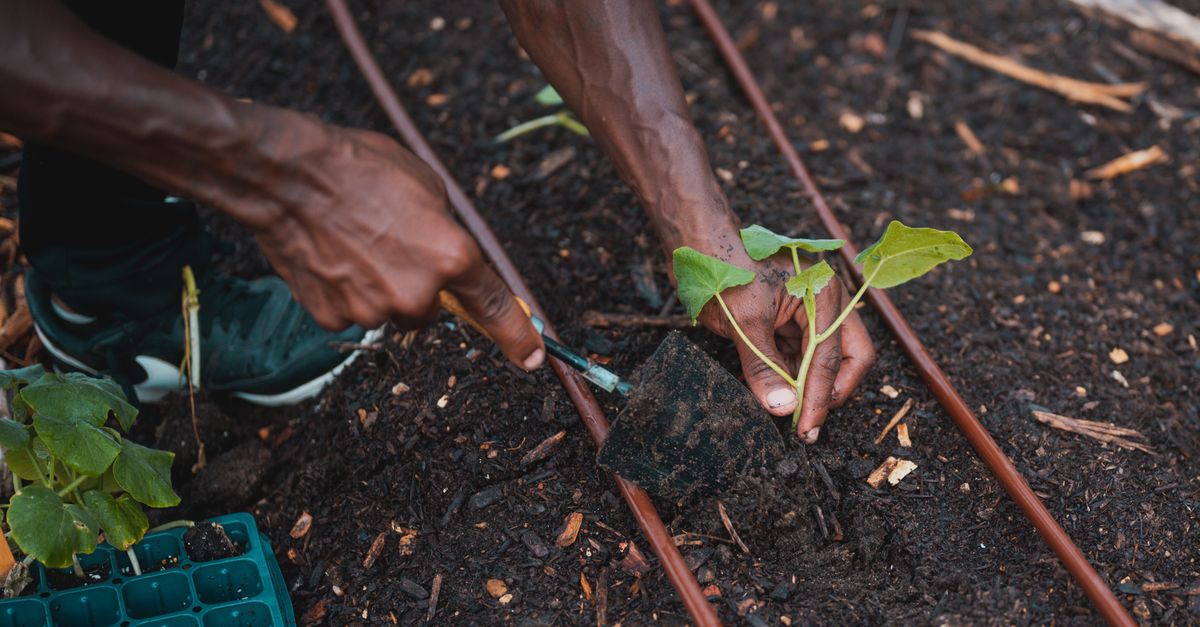
The number of emitters depends on the type of plant. A bed of leafy greens, with shallow roots, calls for emitters placed closer together and with lower flow. Tomato, squash, or eggplant, with deeper roots, work better with spaced-out emitters and somewhat more output per point. In large pots the criterion is the same: a single emitter is enough if the pot is small, but in a good-sized one it is better to place two so that the water does not concentrate on one side.
Dividing the system into sectors is what prevents headaches. One sector for leafy beds, another for fruiting ones, another for the patio pots. That way you water in turns, adjust the time according to the season and, if something needs checking, isolate one part without cutting off the water for the whole garden. In summer the turns get shorter and repeat; in autumn and winter, with less evaporation, they are spaced out.
Maintenance is simple but constant. Clean the filter every so often, check that the connections are not leaking, unclog the drippers that get blocked and make sure the tapes have not moved with the wind or foot traffic. When the season changes, it is time to look again at the timings and the position of the lines, because the plants grow and the shade between them changes too.