Calmthy Farm Rural magazine

Outcomes

Notes that follow the conversation

After a guide or a field profile, there is always a lingering question: how does that connect with what we had already been doing in the vegetable garden or the chicken coop. These readings continue that line, without haste and with the same tone as always.

What to plant in autumn in a family vegetable garden

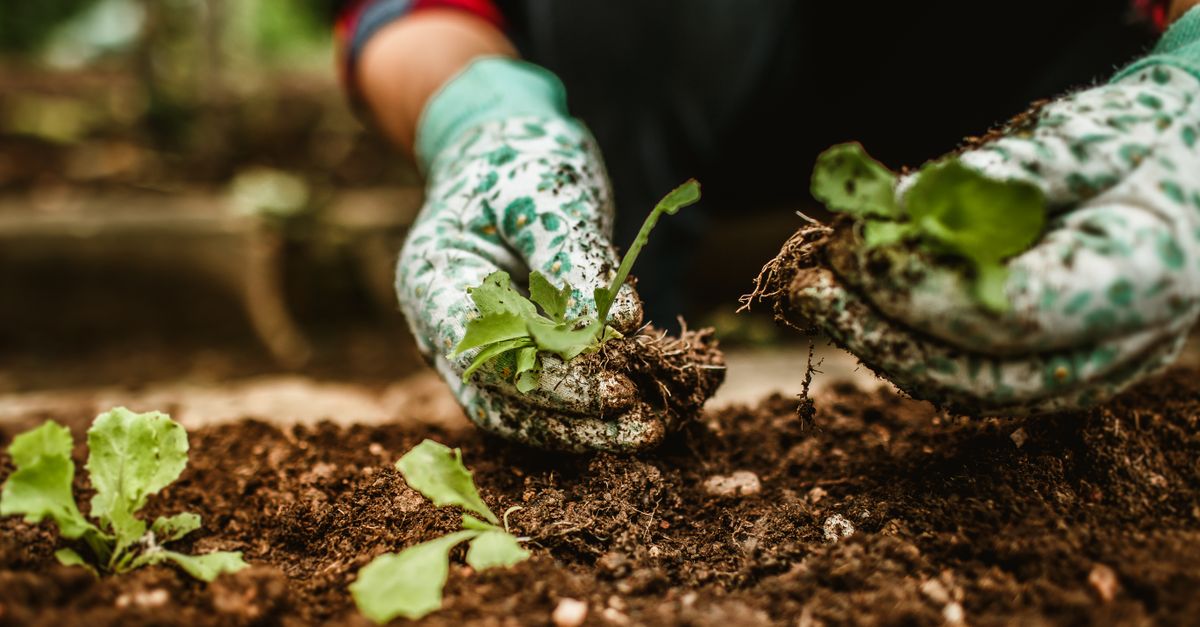
When the heat goes away and the soil begins to retain moisture, the list of vegetables worth putting in the bed changes. The article organizes the calendar by weeks and notes which maintenance tasks are worth bringing forward before the first frosts, so as not to improvise every day.

Read the autumn planting guide
How to build a homemade greenhouse with simple materials

An area protected from the cold does not require complicated plans: with pipes, slats and a polyethylene cover you can gain several weeks of growing. The text reviews orientation, anchoring to the ground and adjustable ventilation, as well as the most common mistakes when closing the space completely.

See the greenhouse step by step

Drip irrigation for small vegetable gardens: setup and care

For those who cannot walk every garden bed with a hose every day, drip irrigation organizes the water and reduces losses. The article explains what minimum components are needed, how to divide the system into zones, and what to check when the season changes.

Continue reading in the newspaper archive

What you see when the garden changes pace

Concrete results the magazine documents in the field

Autumn beds

A family garden organized by weeks

After reading the autumn planting guide, several readers told us they stopped improvising: they divided the beds, wrote down what to transplant first, and covered the soil with mulch before the frosts. The change is not spectacular, but it lasts. Fewer trips back and forth, fewer lost seeds, and a routine that can be repeated every season.

Calmthy Farm: outcomes
Compost bin in the yard

Kitchen and chicken coop scraps that return to the soil

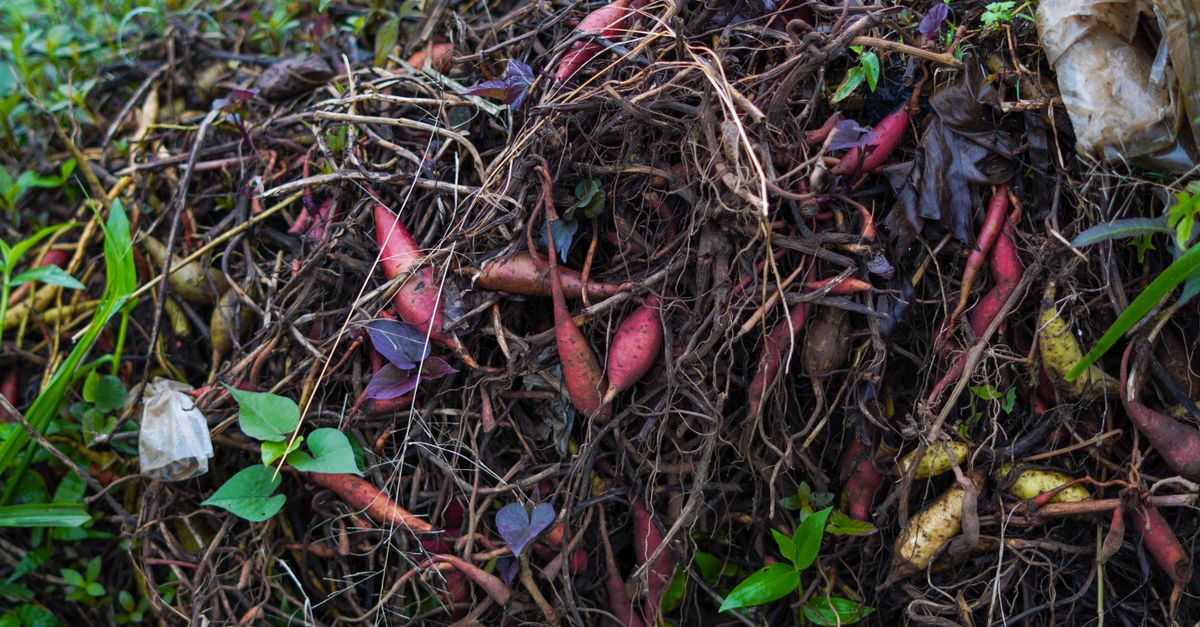
One of the articles that generates the most questions is the one on home composting. What comes through in the messages is simple: people who started separating green and dry scraps, who stopped throwing away peels, and who now check the moisture of the pile once a week. There are no figures to show, just a new habit that takes hold little by little and later shows up in the compost of the beds.

Calmthy Farm: outcomes
Jars in the pantry

Seasonal preserves so the harvest is not lost

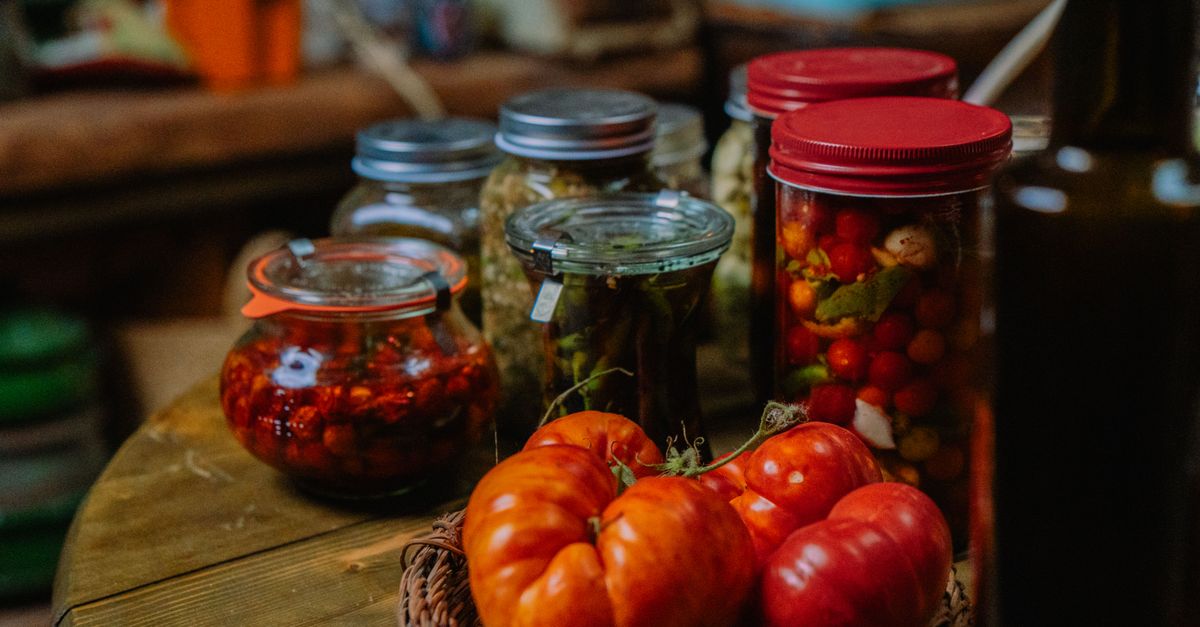
When tomatoes or squash yield more than can be eaten right away, the preserving note appears as a reference. Families who were already canning in hot water baths wrote to us to share how they adjusted their labeling and storage location. Others only started this year, with ordinary kitchen utensils. In both cases, the result is the same: less waste and a pantry that holds up through the lean months.

Calmthy Farm: outcomes
Encounters at the fair

Growers who meet thanks to the rural calendar

The fair calendar and guided visits to nearby farms serve as a meeting point. In the letters to the editor, stories appear of people who crossed paths at a fair and later began exchanging seeds, tools, or advice about laying hens. These are bonds that form slowly, without intermediaries, and that in many cases continue outside the official calendar.

Calmthy Farm: outcomes
Rhythm of the day

Wellness routines that hold up with less haste

The note about well-being in the countryside does not promise anything new. It gathers something that many people in rural areas already do: start early, alternate heavy tasks with lighter ones, stay hydrated, and set aside a real break. What changes, according to the messages we receive, is the decision to keep it up. Working with less haste and paying attention to the body ends up being part of the same trade.

Calmthy Farm: outcomes

Why we follow this way of working

We don't publish to fill a magazine. Every piece comes from a visit, from a long conversation with someone who works the land every day, and from the trouble of checking how things are really done. That way of reporting is what sets Calmthy Farm apart from sites that recycle advice without ever having set foot in a garden bed.

We visit before we write

Before putting together a fall planting guide, someone on the team stops by a grower's garden and notes what they see: actual planting depth, spacing between plants, how the soil is covered when frost arrives. Anything that can't be verified on the ground isn't published as advice.

Profiles without heroics

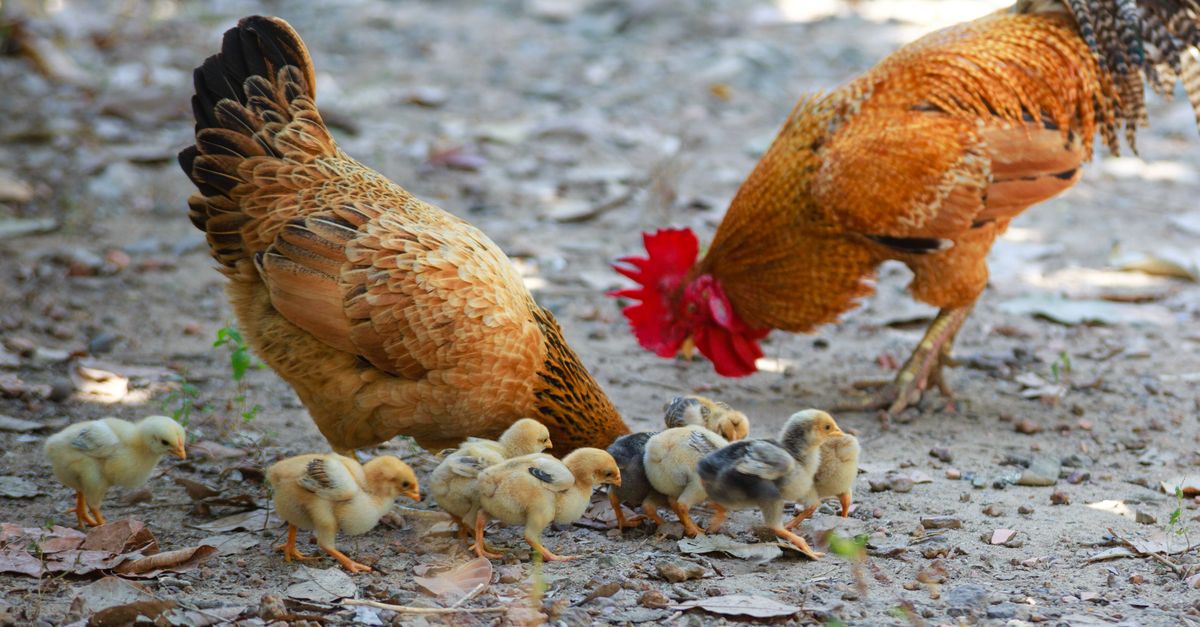
When we portray a family that raises laying hens or that has kept a compost bin going for years, we're not looking for heroic stories. We're interested in the routine: what they do first when they get up, what waste they add to the compost and what they keep out, how they adjust watering when the weather changes. That detail is what helps the reader.

Guides by season, not by trend

The calendar sets the pace. We publish about a homemade greenhouse when it is time to build one, about preserves when there is a surplus of tomatoes or squash, about well-being in the countryside when the work becomes heavy. We do not follow trends: we follow the rhythm of the vegetable garden and the chicken coop.

Letters and fairs as a compass

Readers' letters and the region's rural fair calendar show us which topics are missing. If several people ask about drip irrigation in small gardens, that is where we go. If a gardening workshop keeps appearing on the schedule, we cover it. The publication is corrected by what happens outside.

No grand promises

You will not find guaranteed yield figures or assured results. We describe concrete and modest changes: a more organized garden after reading a guide, a countryside routine that holds up with less haste, a new bond between small producers who meet at a fair. That is all, and it is enough.

If you want to see how this translates into concrete articles, you can browse the magazine sections or read how we approach each topic.

What changes when the garden is organized

Results we see in field work

After reading an autumn planting guide, some readers rearrange their beds and stop improvising every week. Others start composting kitchen and chicken coop scraps, and notice that the volume of trash drops effortlessly. There are also families who store seasonal preserves so they don't lose the harvest, and field routines that are sustained with less rush. These are modest changes, without figures or guarantees. If you want to tell us how you applied something you read, or join a guided visit to nearby farms, write to us.

Write to the editorial team

You can also see how we work on each article or return to the magazine index.

Cookie settings

We use cookies to keep the site stable, remember basic options, and understand which pages are useful. You can accept, reject, or review the settings before continuing.