Calmthy Farm Rural magazine

Team

Why trust this editorial team

A team that writes from the field, not from a desk

At Calmthy Farm we don't publish articles pieced together from archive material. Every garden guide, every chicken coop profile, and every preserving recipe comes from a specific visit to a small local producer. That sets the tone: approachable, without grandiosity, with the doubts and adjustments that arise when you truly work the land.
Direct observation, not textbook summaries

We spend entire days in family gardens, chicken coops, compost bins, and seasonal kitchens. We note down what is done, when, and with which tools. We then cross-check those notes with the producers before publishing, so that the autumn guide or the building of a homemade greenhouse reflects what actually works on a small plot of land.

Independent journalism, without overpromising

We don't sell results or magic recipes. When a drip irrigation technique has limits, we say so. When home composting takes longer than expected, we say that too. That honesty is why readers' letters keep arriving and why the rural fair calendar holds up season after season.

Seasonal guides, not generic content

Autumn planting, the home greenhouse, drip irrigation, and garden cooking are organized according to the month and the climate. We don't repeat the same list of topics in every article: each guide answers a specific question that comes up on the farm, and it adjusts when the season or the land changes.

A community that writes back

The letters section and the schedule of workshops and guided visits to nearby farms are not decoration. They are the place where readers and growers exchange experiences about laying hens, seasonal preserves, or wellness routines in the countryside. That back-and-forth is what keeps the magazine alive.

Reporting from the field

Who sustains this magazine and how we work

Calmthy Farm is an independent journalistic publication about quiet rural life. We have no office or desk-based newsroom: the work begins with visits to small producers, family garden beds, chicken coops, compost bins, and seasonal kitchens. From there come the field profiles, the seasonal guides, and the pieces we publish.

01

Direct observation before writing

The story is built on location, not at a desk.

Before writing, we spend time in the garden or the chicken coop of the producer who hosts us. We watch how they water, what they keep in the pantry, how they organize the day. That observation is the basis of the text: we prefer to describe a real method rather than invent general advice.

02

Field profiles with names and context

We tell who does what and under what conditions.

The profiles do not seek big headlines. We record how a family organizes the autumn planting, what they learned from a homemade greenhouse, or how they solved drip irrigation on a small plot. Context matters as much as the result: climate, soil, available time.

03

Practical guides by season

Useful material for those who work the land.

Every visit produces concrete guides: what to plant when the temperature drops, how to build a greenhouse with simple materials, how to preserve tomatoes and squash, how to manage the compost bin without odors. These are accessible procedures, adapted to a home kitchen and a home garden.

04

Letters from readers and a fair calendar

The magazine is also written from the outside.

We keep a letters section where readers share their experience and a calendar of rural fairs in the region. That part of the work reminds us that the publication is not only ours: it is completed by what other people in the countryside want to share.

05

Independence and a close tone

No grand promises.

We are an independent, journalistic publication. We do not promise automatic results or one-size-fits-all formulas: every climate and every plot of land require adjustments. We write with a close tone, the same one we would use talking in a farm kitchen after a day's work.

How Calmthy Farm's editorial process works

We don't publish from a desk. Every piece starts with a visit to a garden, a chicken coop, or a seasonal kitchen, and it follows the rhythm of what happens there. That's why this page doesn't tell a story about the magazine: it explains the method behind how each issue is put together.

First the visit, then the piece

Before we write, we spend a full day with whoever hosts us. We watch how they water, how they store the harvest, what they do when the weather suddenly changes. Only afterward do we shape the material into text. If we didn't see something, we don't claim it.

Field profiles, without grandiosity

The profiles we publish aren't after a flashy headline. They document the routine of small producers: what they planted this season, what they learned from the previous year, what they stopped doing. That record is what later feeds the seasonal guides.

Guides that come from direct observation

The fall planting guides, home greenhouse, drip irrigation, and garden kitchen are not written in the abstract. They are put together with what we saw work in specific beds, with the questions people asked us, and with the mistakes that keep repeating. When something depends on the soil or the climate, we say so.

Letters from readers and fair calendar

The letters section and the calendar of rural fairs in the region are held to the same standard: read what comes in, confirm what can be confirmed, and publish without inflating. It is the part of the magazine where the close tone turns into conversation.

Editorial independence as a working rule

Calmthy Farm is an independent journalistic publication. We do not promise results or make agreements that condition what we write. If a piece is not ready, it waits. If we do not know a topic well, we say so before publishing it.

The weekly newsletter as a continuation

What does not fit in an article is picked up in the newsletter: the workshop calendar, guided visits to nearby farms, and fair announcements. It is the simplest way to follow the editorial team's work without depending on a single issue.
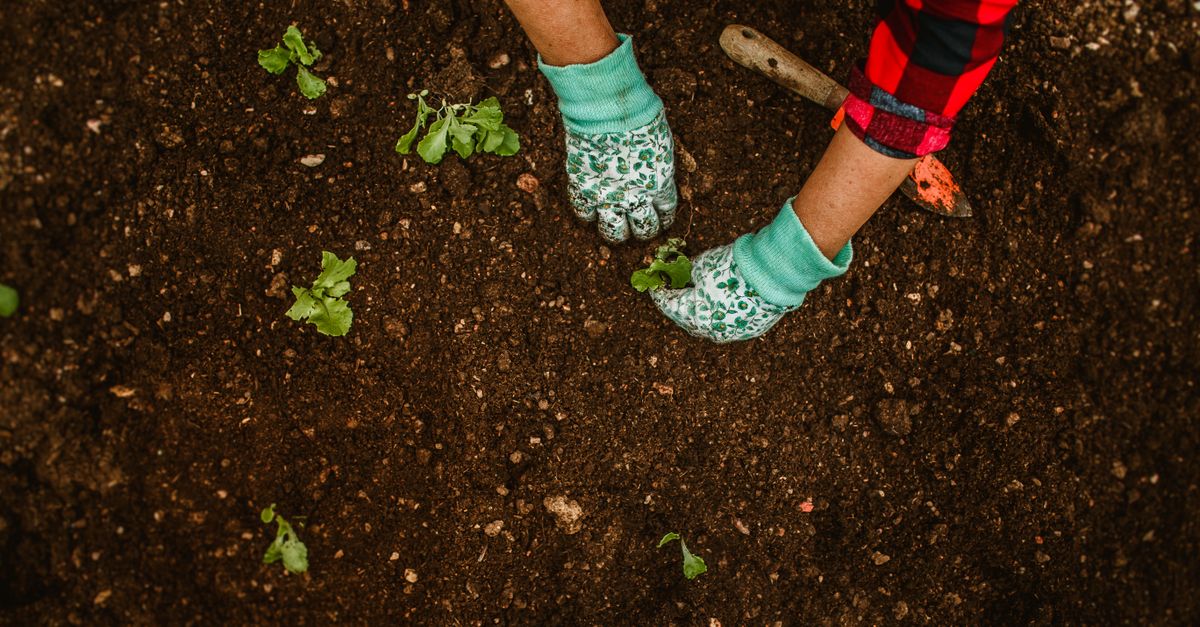
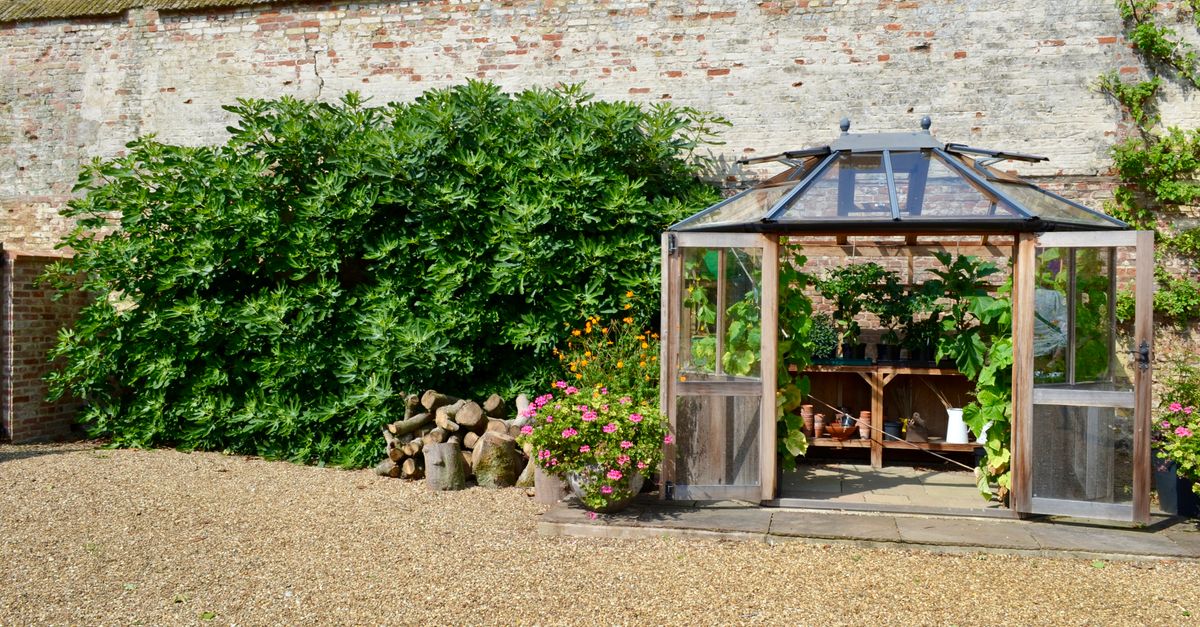
What we look at when we visit a garden

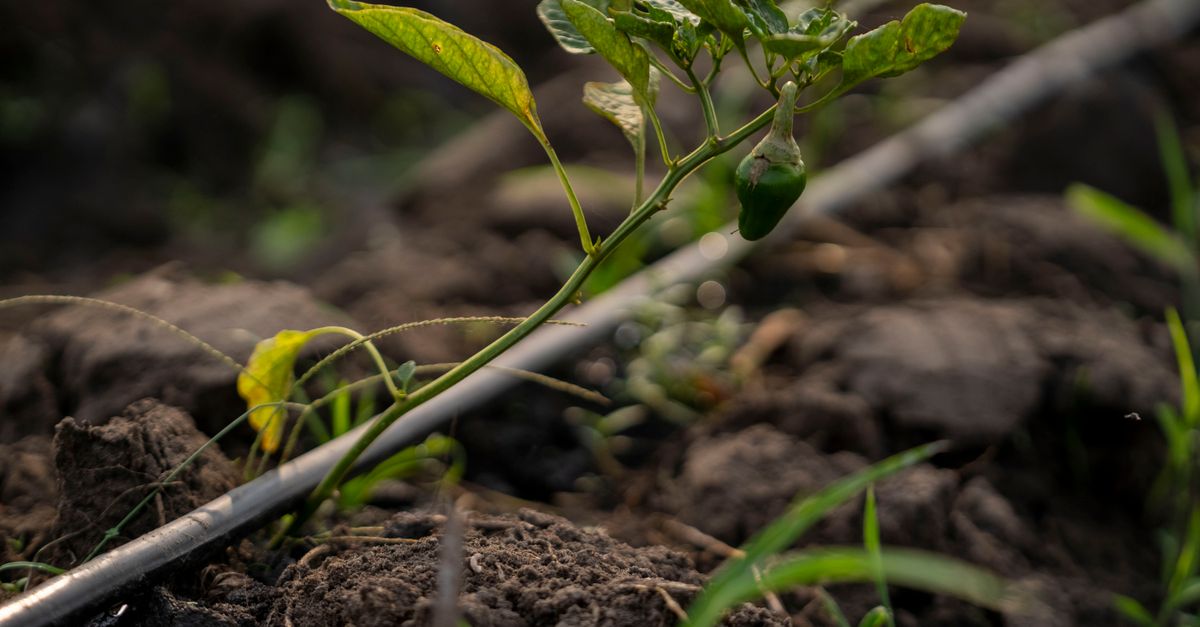
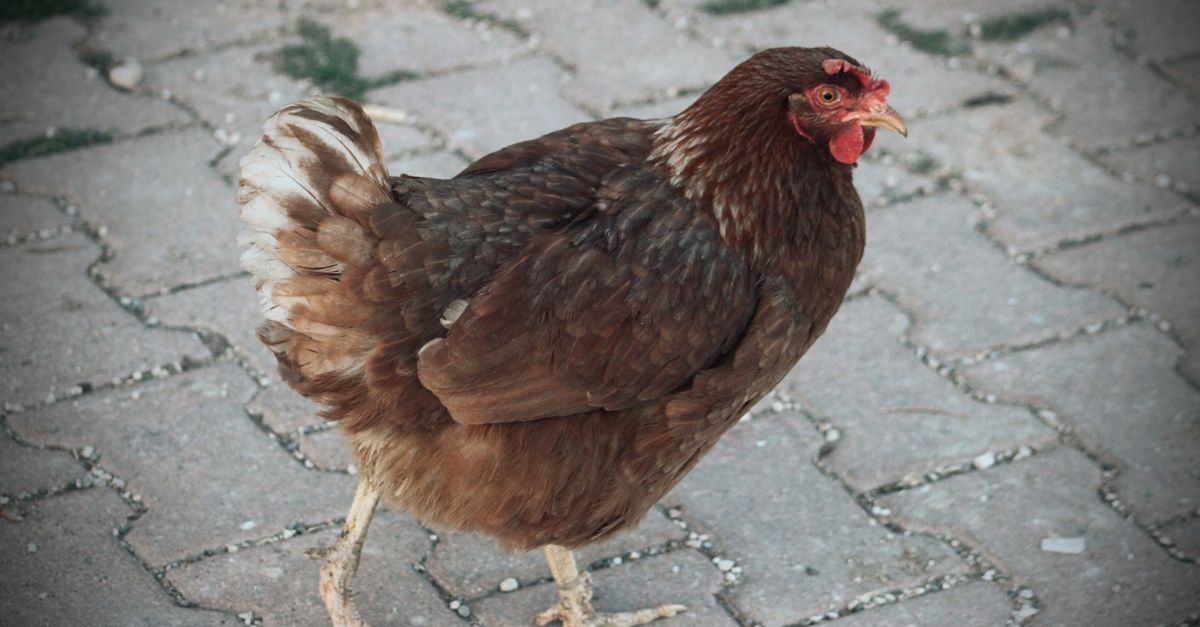
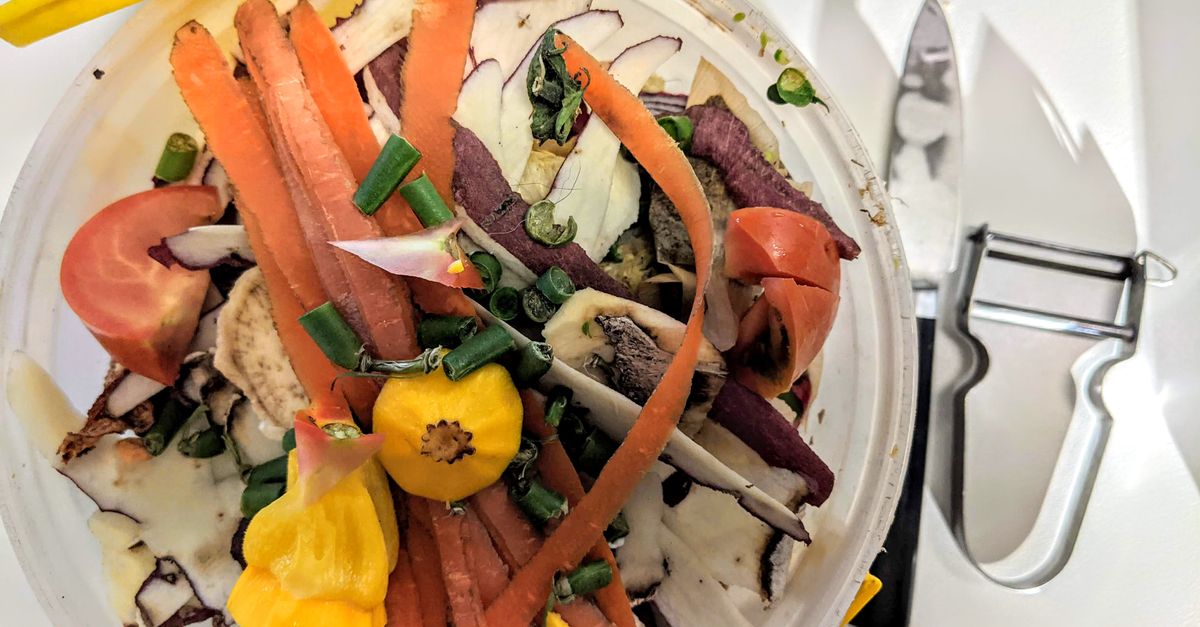
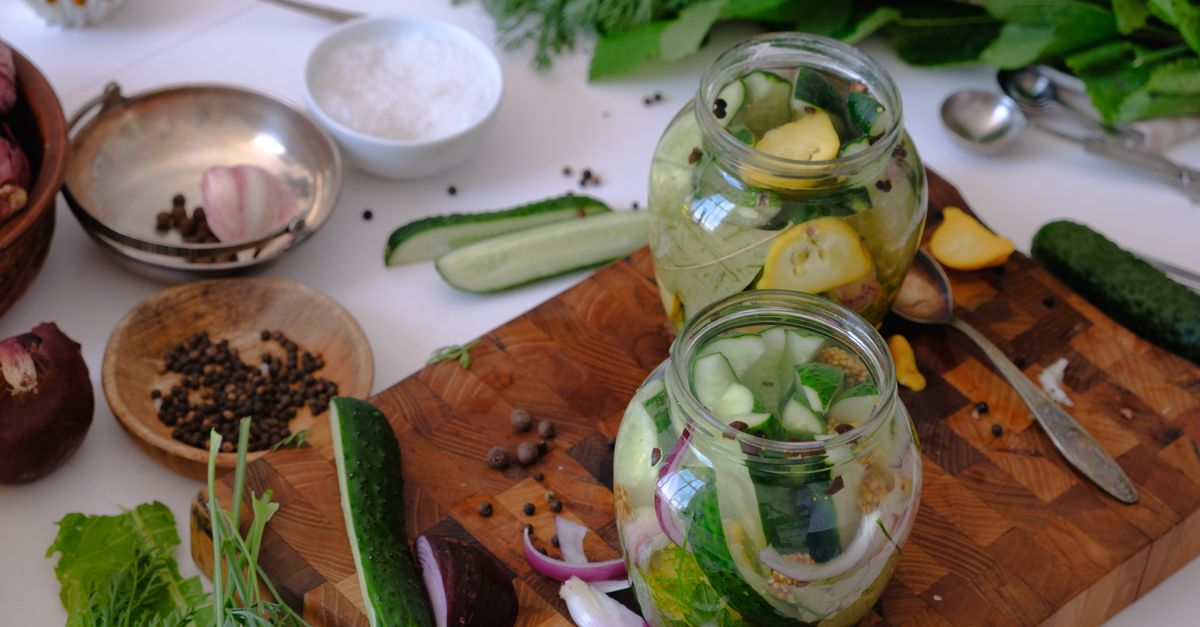
The images on this page accompany the field work: raised beds, hands with soil, tools resting at the edge of the furrow. They are visual records of the kind of scenes that appear in the notes and in the profiles of small growers we publish each season.

These scenes repeat themselves during visits: someone checks a flower bed, someone opens the chicken coop gate, someone writes down in a notebook what they will plant the following week. From there come the seasonal guides and the profiles we publish. If you want to follow that journey, the weekly newsletter brings together the schedule of workshops and guided visits to nearby farms.

Before writing an article, someone from the team spends an entire morning at the site. They watch how watering is done, where the tools are kept, what gets done first when the sun comes up. That stretch of observation is the material that later sustains the text.

The field profiles are built from what the grower shares while working: why they chose that plot, what they learned from last winter, what they did with the surplus squash. None of that is invented or filled in with textbook data.

Those visits are where the seasonal guides come from. Fall planting, the homemade greenhouse, drip irrigation, and garden cooking are explained through what actually worked in family gardens, not through rigid recipes.

The letters to the editor section and the regional rural fair calendar are maintained with the same approach: a friendly tone, concrete information, and no promises that cannot be kept. The publication is independent and journalistic.

Where this magazine comes from

Calmthy Farm was born from a simple idea: quiet rural life deserves a serious record, free of grandiosity. There is no epic founding story to tell. There is a team that visits small producers, takes notes in the henhouse or beside the compost bin, and then goes back to write. That is how the field profiles and practical guides we publish each season are built. We work with direct observation, uncomfortable questions, and the patience to wait for the garden cycle to do its work. If we did not see something, we do not claim it.

Cookie settings

We use cookies to keep the site stable, remember basic options, and understand which pages are useful. You can accept, reject, or review the settings before continuing.